Dealing with High Water Pressure in Detroit Homes: Risks and Fixes
Learn how high water pressure affects your Detroit home plumbing, discover the warning signs, and find out how a Detroit plumber can protect your pipes.

NEED A PLUMBER?
Fast & Local Plumbing Services
Leaks • Clogged Drains • Burst Pipes • Water Heaters • Emergency Plumbing
NEED A PLUMBER?
Fast & Local Plumbing Services
Leaks • Clogged Drains • Burst Pipes • Water Heaters • Emergency Plumbing
When you turn on a faucet in your Detroit home, you expect a steady, manageable stream of water. However, if your taps blast water with overwhelming force, you might be dealing with high water pressure. While strong water pressure feels invigorating in the shower, it is actually a hidden hazard for your home’s plumbing system. Over time, excessive pressure places immense stress on pipes, joints, valves, and water-using appliances, leading to costly leaks and premature equipment failure.
Understanding Water Pressure Levels in Detroit
Municipal water systems supply water under varying pressures depending on elevation, distance from pumping stations, and local infrastructure layout. In Detroit, municipal water supply pressures can fluctuate. While the city works hard to maintain consistent service, many residential properties experience incoming pressures that exceed safe plumbing limits. Standard residential plumbing is generally designed to withstand a maximum of 80 pounds per square inch (psi), with the ideal range sitting comfortably between 50 and 60 psi. When municipal delivery or local variables push pressure past 80 psi, your home enters the danger zone for plumbing damage.
Common Signs of High Water Pressure
Because pipes are typically hidden behind walls, beneath floors, or underground, high water pressure often does its damage in secret. However, your fixtures and appliances usually offer clear clues that pressure levels are too high. Property owners in Detroit should watch out for these common warning signs:
- Banging or Thumping Pipes: Often referred to as water hammer, loud noises when shutting off a faucet or appliance can indicate extreme pressure surging through rigid lines.
- Leaking Faucets and Fixtures: If you find yourself constantly replacing worn-out O-rings, cartridges, or washers in your sinks and showers, high pressure may be forcing water past the seals.
- Running or Whistling Toilets: High pressure can force open the fill valve inside your toilet tank, causing water to run continuously or create a high-pitched whistle.
- Shortened Appliance Lifespan: Dishwashers, washing machines, and water heaters are built with internal components that struggle against excessive force. Frequent repairs on these appliances point directly to a pressure issue.
- Weeping Water Heater Relief Valve: The temperature and pressure relief valve on your water heater may release small amounts of water frequently if incoming pressure exceeds its safety threshold.
The Hidden Dangers to Your Detroit Plumbing System
Ignoring high water pressure is a gamble that rarely pays off. As a licensed professional handling Detroit plumbing repairs, I frequently see the aftermath of unregulated water pressure. Joints in copper or PEX piping systems endure constant strain, eventually developing pinhole leaks inside walls or ceilings. Threaded connections loosen, and flexible supply lines beneath sinks become brittle and prone to catastrophic bursting. Furthermore, high pressure accelerates wear on washing machine hoses, which is one of the leading causes of severe indoor flooding in residential properties.
How to Test Your Home Water Pressure
Before taking corrective action, you need to know your exact psi. Testing water pressure is straightforward:
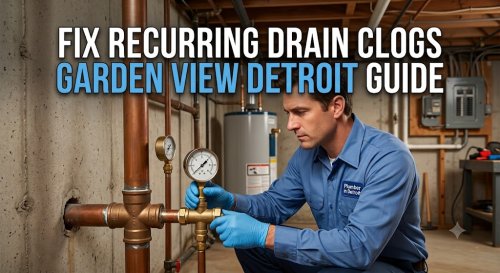
- Purchase a simple, inexpensive water pressure gauge equipped with a hose thread connection.
- Attach the gauge to a hose bib or laundry sink faucet that is closest to where the main water line enters your house.
- Ensure no other water is running inside or outside the home, including ice makers and humidifiers.
- Turn the test faucet completely on and read the dial.
If the reading is above 80 psi, you need to address the issue immediately to safeguard your household infrastructure.
Solutions for Managing and Lowering Water Pressure
The primary and most effective solution for high water pressure is the installation or replacement of a Pressure Reducing Valve (PRV). A PRV is a brass, bell-shaped device installed on your main water supply line just after the main shut-off valve. It acts as a mechanical gatekeeper, automatically reducing incoming municipal water pressure down to a safe, adjustable level before the water enters your home distribution network.
Over time, internal springs and diaphragms inside a PRV wear out, causing the valve to fail and pressure to creep back up. If your home already has a PRV but your pressure gauge reads high, the valve likely needs professional adjustment or replacement by a qualified Detroit plumber.
Frequently Asked Questions
What is the ideal water pressure for a home in Detroit?
The ideal water pressure ranges between 50 and 60 psi. This provides strong, comfortable performance for showers and appliances while protecting your pipes from excessive wear.
Can I adjust a pressure reducing valve myself?
Most PRVs feature an adjustment bolt on top with a lock nut. While loosening the nut and turning the bolt can adjust pressure, it is best done while monitoring a pressure gauge to avoid setting it too low or accidentally damaging internal components.
Why did my water pressure suddenly spike?
A sudden increase in water pressure usually points to a failed pressure reducing valve. When the internal mechanism wears out, it stops restricting flow, allowing full municipal pressure to rush unchecked into your home plumbing.
Does high water pressure increase my water bill?
Yes. Excessive pressure forces more water through your fixtures and appliances in a shorter amount of time than necessary, leading to higher water consumption and elevated utility bills.