How to Find a Hidden Water Leak in a Detroit Home: A Practical Guide
Suspect a hidden leak in your Detroit home? Learn the warning signs like high water bills, musty odors, and damp spots, plus professional detection methods and DIY tests to prevent costly water damage.

NEED A PLUMBER?
Fast & Local Plumbing Services
Leaks • Clogged Drains • Burst Pipes • Water Heaters • Emergency Plumbing
NEED A PLUMBER?
Fast & Local Plumbing Services
Leaks • Clogged Drains • Burst Pipes • Water Heaters • Emergency Plumbing
How to Find a Hidden Water Leak in a Detroit Home: A Practical Guide
Introduction
Few sounds are as unsettling to a homeowner as the unexpected hiss of water or the discovery of a damp patch where there should be none. While a dripping faucet is obvious, a hidden water leak—one lurking behind drywall, beneath concrete slabs, or deep within crawlspaces—is a silent menace. Property owners across Detroit, MI, frequently face these challenges, often compounded by the city's aging infrastructure and severe seasonal weather shifts.
A hidden leak isn't just an annoyance; it's a structural threat and a financial drain. Ignoring it can lead to extensive mold growth, compromised building materials, and sky-high water bills. For Detroit residents, particularly in historic neighborhoods like Boston-Edison or Corktown where plumbing systems may be decades old, understanding how to detect these leaks early is crucial. This guide will walk you through the warning signs, practical detection methods, and when it’s time to call a licensed professional plumber in Detroit to prevent a full-scale emergency.
What Is a Hidden Water Leak?
A hidden water leak refers to any unintended escape of water from your home’s plumbing system that is not immediately visible. These leaks occur in supply lines, drain pipes, or fixture connections located inside walls, ceilings, floors, or underground.
Common Situations
-
Slab Leaks: Leaks in the copper or PEX water lines running beneath a home's concrete foundation.
-
Behind-the-Wall Leaks: Pinholes or burst pipes within interior or exterior walls, often near bathrooms or kitchens.
-
Underground Service Line Leaks: Breaks in the main water line between the street and the house foundation.
-
Roof or Window Leaks: Water intrusion unrelated to plumbing, but equally damaging, often mistaken for plumbing issues.
Symptoms & Triggers
In Detroit, specific triggers include extreme freeze-thaw cycles that stress aging pipes, or corrosion buildup in older galvanized steel plumbing common in many older homes in the area.
Why Does This Plumbing Problem Happen?
Hidden leaks don't happen without cause. Understanding the root cause can often help in locating the source. Common causes include:
-
Aging Pipes: Galvanized steel and even older copper pipes corrode over time, leading to pinhole leaks.
-
High Water Pressure: Excessive municipal water pressure puts immense strain on pipe joints and valves, causing them to fail.
-
Ground Shifting: Detroit’s clay-heavy soil expands and contracts significantly with moisture changes, shifting foundations and cracking underground pipes.
-
Poor Installation: Substandard soldering or incorrect fittings during a remodel can fail years later.
-
Freezing: Insufficiently insulated pipes in exterior walls or unheated basements can freeze and crack during harsh Michigan winters.
Practical Example: Imagine a home in Rosedale Park with original 1940s plumbing. The fluctuating water pressure and ground movement have caused a slow drip at a T-junction inside a wall cavity, leading to months of undetected water damage before symptoms appear.
Signs You Should Never Ignore
Your home will often provide subtle clues that a hidden leak is present. Be vigilant for these warning signs:
-
Unexplained Spike in Water Bills: This is often the first indicator. If your usage hasn't changed but your bill has, suspect a leak.
-
Water Stains: Discoloration, yellowing, or browning patches on ceilings or walls.
-
Damp, Musty, or Moldy Odors: Persistent damp smells, especially in basements or crawlspaces, suggest chronic moisture.
-
Mold or Mildew Growth: Visible mold on walls, particularly in areas far from obvious water sources like showers.
-
Warped or Buckling Flooring: Hardwood or laminate flooring that is cupping, swelling, or pulling apart.
-
Warm Spots on the Floor: This strongly indicates a hot water line leak beneath a concrete slab.
-
Low Water Pressure: A significant drop in pressure can signal a major leak upstream.
-
Sound of Running Water: Hearing water hissing or running when all fixtures are turned off.
-
Cracks in Foundation or Walls: Structural shifts can be a cause and effect of underground leaks.
-
Discolored Water: Rusty or murky water can indicate pipe corrosion and failure.
Why each sign matters: A water stain isn't just cosmetic; it signifies saturated drywall losing its structural integrity. A musty smell indicates unhealthy mold spores are circulating in your home's air.
Common Plumbing Problems Related to This Issue
Hidden leaks rarely occur in isolation. They often lead to or coincide with other plumbing failures:
-
Pipe Leaks: The initial cause, often escalating from a pinhole to a full split.
-
Drain Clogs: While not directly causing supply leaks, persistent clogs can put pressure on aging drain lines, leading to joint failures.
-
Sewer Backups: Underground leaks can wash away soil supporting sewer lines, causing them to sag and eventually back up.
-
Water Heater Failures: Leaks often originate at the connections to the water heater tank.
-
Burst Pipes: The ultimate consequence of an ignored hidden leak, especially during winter.
-
Slab Leaks: A specific type of hidden leak beneath the home.
-
Fixture Damage: Rotting cabinets and vanity bases due to undetected supply line leaks.
Step-by-Step Professional Repair Process
When you suspect a hidden leak and call a licensed plumber in Detroit, they will generally follow this process:
-
Step 1: Inspection: The plumber will conduct a visual assessment and ask you detailed questions about when the symptoms started.
-
Step 2: Diagnosis: Using advanced leak detection equipment, the plumber will pinpoint the exact location of the leak without unnecessary demolition.
-
Step 3: Estimate: You will receive a transparent, upfront written estimate detailing the required repair, including access, materials, and labor.
-
Step 4: Repair: The plumber will access the pipe (e.g., opening a small section of drywall, or using trenchless methods for underground leaks) and perform a code-compliant repair using durable materials like PEX or copper.
-
Step 5: Testing: The system will be pressurized to ensure the repair holds and there are no further leaks.
-
Step 6: Cleanup: The area will be cleaned, and any debris removed. For significant wall openings, the plumber may coordinate drywall repair or recommend a trusted local contractor.
-
Step 7: Maintenance Advice: The plumber will provide tips to prevent future leaks, such as monitoring pressure or insulating vulnerable pipes.
Can You Fix It Yourself?
While some plumbing tasks are DIY-friendly, finding and repairing hidden leaks is generally not recommended for homeowners.
-
Safe DIY Solutions:
-
Checking Fixtures: Ensure all toilets aren't running and faucets are tightly closed.
-
Monitoring the Water Meter: The most reliable DIY method. Turn off all water inside and outside the house. Check the water meter. Wait 1-2 hours (without using any water). Check the meter again. If it has moved, you have a leak.
-
Isolating Appliances: Turn off the supply valves to the washing machine and dishwasher when not in use to prevent sudden hose bursts.
-
-
Temporary Fixes:
-
Applying Leak Tape: For easily accessible, pinhole leaks on non-pressurized drain lines only.
-
Tightening Connections: Gently tightening loose nuts on visible supply lines under sinks.
-
-
When DIY Becomes Dangerous:
-
Opening Walls Blindly: Tearing into drywall without knowing where electrical wires or studs are located can be hazardous.
-
Using Chemical Cleaners: Attempting to clear drain clogs with caustic chemicals often corrodes aging pipes, creating leaks where none existed before.
-
Repairing Pressurized Lines: Incorrectly repairing a supply line can lead to a catastrophic failure and major flooding while you are away from home.
-
-
When Professional Plumbing is Necessary:
-
Any time your water meter test confirms a leak that you cannot visually identify.
-
Suspected slab leaks (requiring acoustic or thermal imaging equipment).
-
Leaks inside walls or ceilings (requiring non-invasive detection).
-
Underground leaks between the meter and the house (requiring excavation or trenchless repair).
-
Tools Professionals Use
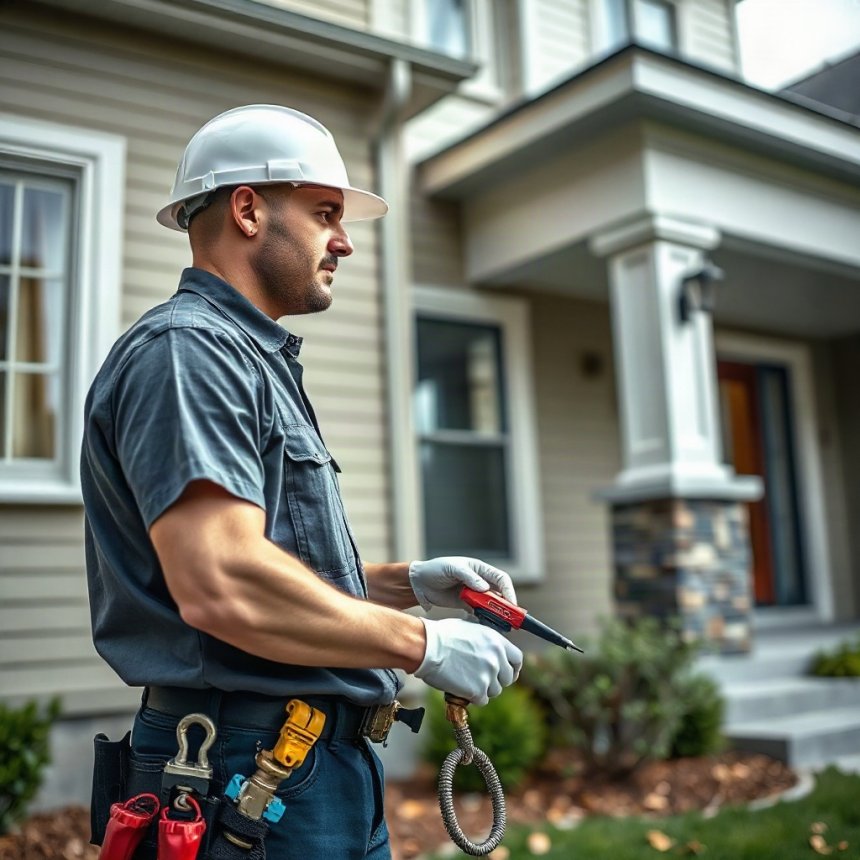
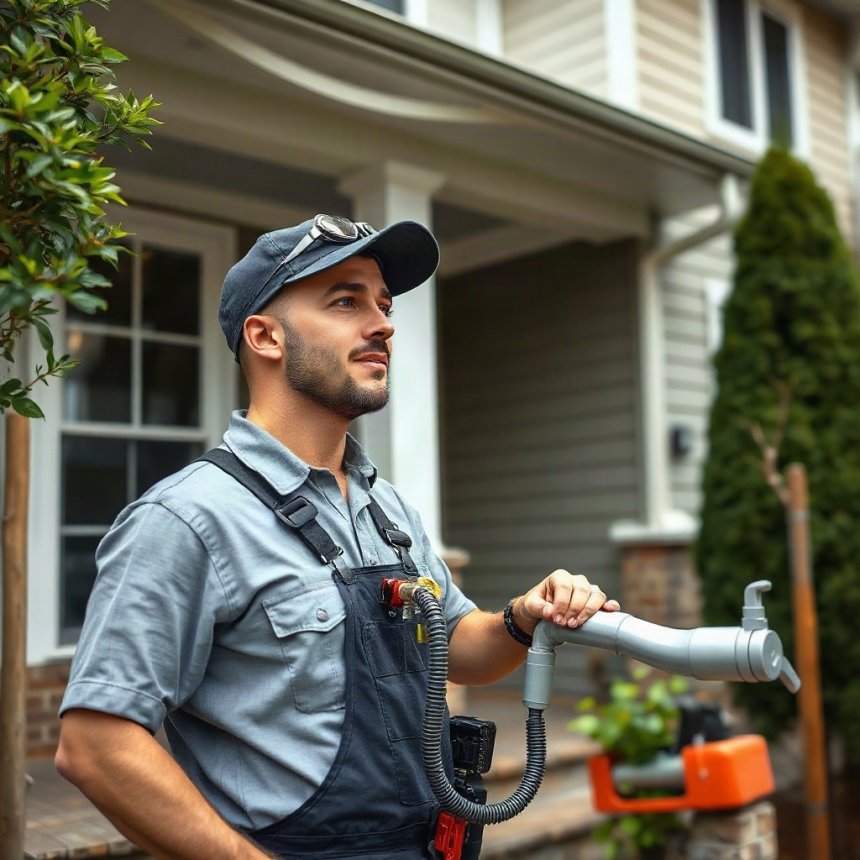
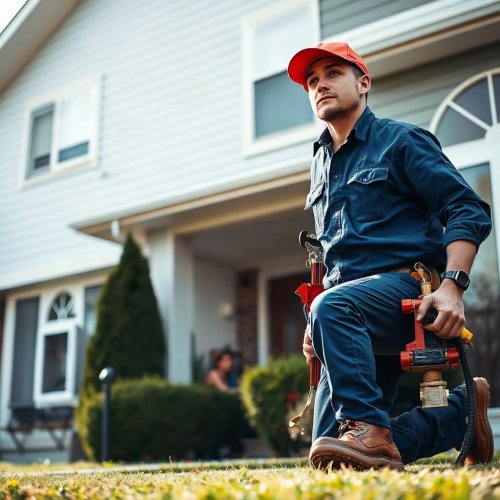
Licensed plumbers in Detroit employ sophisticated technology to locate hidden leaks accurately, saving you time, money, and property damage:
-
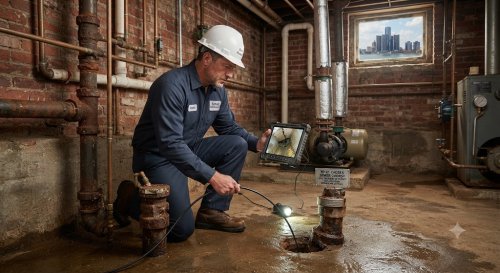
Drain Cameras: Waterproof cameras on flexible rods that can snake through drain lines to identify cracks, root intrusion, or joint failures.
-
Leak Detection Equipment: Including acoustic listening devices that can "hear" the sound of pressurized water escaping a pipe underground or behind walls.
-
Hydro Jetting: While primarily for clearing severe clogs, it can sometimes be used in conjunction with camera inspections to clean lines sufficiently for a proper diagnosis.
-
Pipe Locators: Radio transmitters used with cameras to map the exact path and depth of a pipe underground.
-
Pressure Testing: Gauges used to determine if a pressure drop exists in the system, confirming the presence of a leak.
-
Pipe Inspection Cameras: Similar to drain cameras but often smaller and more specialized for specific supply line issues.
-
Trenchless Equipment: Technology used to repair or replace underground lines without digging trenches, minimizing disruption to your property.
How these tools improve repair accuracy: Acoustic equipment can distinguish between the sound of water hammer and an actual leak, ensuring the plumber digs or opens the wall in the exact right spot.
How Long Does the Repair Usually Take?
The timeline for a hidden leak repair varies widely:
-
Simple Repairs (e.g., accessible pinhole leak in a copper pipe): 1 to 2 hours after detection.
-
Moderate Repairs (e.g., leak behind a bathroom wall requiring drywall removal): 3 to 6 hours including access and repair.
-
Major Repairs (e.g., slab leak requiring rerouting a water line): 1 to 3 days.
-
Emergency Repairs (e.g., major burst pipe flooding the home): Immediate dispatch, with containment in under an hour and repair following.
Factors affecting repair time: Accessibility is the biggest factor. A leak under a finished basement floor will take significantly longer than one in an open crawlspace.
Cost Factors
It's impossible to give a fixed price for hidden leak repair without diagnosis, as costs depend on:
-
Diagnostic Fees: The cost for the plumber's time and use of detection equipment to find the leak.
-
Accessibility: How hard the pipe is to reach.
-
Parts: The cost of materials needed for the repair (PEX is generally cheaper than copper).
-
Labor: The time required for access, repair, and testing.
-
Emergency Service Charges: Higher rates for after-hours or weekend calls.
-
Equipment Needed: Specialized detection or repair technology.
-
Permit Costs: If required for major repairs by the city of Detroit.
-
Replacement vs. Repair: Sometimes it’s more cost-effective to replace an entire section of old pipe than to patch a single spot.
Mention: Plumbing repair costs vary depending on the severity of the problem, accessibility, materials required, emergency service, property type, and local labor rates.
Hidden Truths Homeowners Should Know
-
Small Leaks Become Expensive Repairs: A slow drip today is a burst pipe tomorrow, leading to thousands in water damage and mold remediation.
-
Cheap Temporary Fixes Often Fail: Duct tape and epoxy putty are not substitutes for a proper plumbing repair.
-
Insurance May Not Cover Neglected Plumbing: Many homeowner policies cover sudden water damage but deny claims resulting from long-term, unaddressed leaks or wear and tear.
-
Tree Roots Can Repeatedly Damage Sewer Lines: If roots infiltrate a pipe once, they will return unless the pipe is lined or replaced.
-
Hard Water Shortens Fixture Lifespan: Sediment buildup from hard water accelerates corrosion in pipes and appliances.
-
DIY Mistakes Increase Repair Costs: Botched amateur repairs almost always cost more for a professional to fix correctly later.
-
Delaying Repairs Causes Structural Damage: Water rots wood, weakens foundations, and destroys flooring.
-
Hidden Leaks Increase Utility Bills: You are paying for every gallon of water that leaks, even if you don't use it.
-
Mold Develops Quickly: Toxic mold can begin growing within 24-48 hours of water exposure.
-
Annual Maintenance Saves Money: A plumber can identify potential leak sources during a routine inspection, preventing emergencies.
15 Common Mistakes Homeowners Make
-
Ignoring Leaks: Thinking they'll go away on their own.
-
Using Chemical Drain Cleaners: Destroys aging pipes and can cause leaks.
-
Flushing Wipes: Causes sewer backups and puts pressure on drain lines.
-
Pouring Grease into Drains: Solidifies and causes blockages, increasing line pressure.
-
Ignoring Water Pressure Problems: High pressure stresses pipes and joints.
-
Hiring Unlicensed Plumbers: Risking code violations, poor workmanship, and no recourse for future problems.
-
Skipping Maintenance: Avoiding routine plumbing checkups.
-
Waiting Until Emergencies: Not addressing warning signs early.
-
Using Wrong Pipe Materials: Making improper repairs that fail quickly.
-
Over-Tightening Plumbing Fittings: Cracking connections and causing leaks.
-
Not Knowing Main Shut-Off Location: Wasting precious time during a flood.
-
Forgetting to Shut Off Water When Away: Risking undetected floods while on vacation.
-
Ignoring Sump Pump Failures: Allowing basement flooding during storms.
-
Planting Trees Near Sewer Lines: Aggressive roots will infiltrate pipes.
-
Failing to Request Written Estimates: Leaving yourself open to unexpected costs.
Maintenance Tips
Prevent hidden leaks from becoming disasters with these practical tips:
-
Monitor Your Water Meter: Check it regularly for unexpected movement.
-
Inspect Visible Pipes: Look for signs of corrosion or dampness under sinks and around the water heater.
-
Check Sprinkler Systems: Look for leaks in backflow preventers and sprinkler heads in spring.
-
Drain Water Heater: Flush sediment annually to prevent tank stress.
-
Insulate Pipes: Protect vulnerable pipes in unheated areas during winter.
-
Know Your Shut-Off Valve: Make sure everyone in the household knows where it is and how to use it.
-
Replace Washing Machine Hoses: Upgrade to braided stainless steel hoses every 5 years.
-
Test Sump Pump: Ensure it's working before heavy rain seasons.
-
Consider a Water Leak Detection System: Install an automatic shut-off valve that detects unusual water flow.
-
Watch Water Pressure: Install a pressure regulator if your home's pressure is above 80 PSI.
-
Be Mindful of What You Flush: Only flush toilet paper and human waste.
-
Don't Pour Grease Down Drains: Dispose of it in the trash.
-
Schedule Annual Plumbing Inspections: Have a professional check your entire system.
-
Educate Your Family: Make sure everyone knows how to spot and report plumbing issues.
-
Keep Areas Clear: Ensure easy access to main shut-off valves and cleanouts.
When Should You Call an Emergency Plumber?
While some leaks can wait, these situations demand immediate 24/7 professional attention:
-
Burst Pipes: Gushing water causing immediate flooding.
-
Sewage Backup: Wastewater flowing back into your home.
-
No Running Water: Sudden loss of water supply.
-
Overflowing Toilet: An inability to stop the flow of water into the bowl.
-
Gas Line Concerns: (If licensed) Any suspicion of a gas leak.
-
Major Water Leaks: Uncontrolled water flow threatening electrical panels or structural integrity.
Why immediate action is important: To minimize water damage, prevent mold growth, and restore safety and sanitation to your home.
Frequently Asked Questions
Why is my water pressure suddenly low?
Sudden low water pressure can be caused by a partially closed main valve, a failing pressure regulator, or a major leak upstream.
How much does leak detection cost?
Leak detection costs vary depending on the complexity of the property and the technology required, but it's a separate diagnostic fee from the actual repair.
Can a clogged drain damage pipes?
Yes, persistent clogs can increase pressure on aging drain lines, leading to joint failures and leaks.
Is hydro jetting safe for old pipes?
Hydro jetting requires professional assessment; while excellent for clearing blockages, high-pressure water can damage fragile, heavily corroded historic pipes common in older homes.
How do I know if my sewer line is broken?
Signs include multiple slow drains, sewage odors, lush patches in your yard, and water backing up in basement floor drains.
How long do water heaters last?
Standard tank water heaters typically last 8 to 12 years, while tankless models can last 20 years or more with proper maintenance.
Why does my faucet drip?
A dripping faucet is usually caused by a worn-out washer, O-ring, or valve cartridge inside the handle assembly.
What causes pipes to burst?
Pipes burst most frequently when trapped water freezes and expands in cold weather, or due to extreme pressure surges.
Can plumbing leaks increase my water bill?
Absolutely. Even a slow leak can waste thousands of gallons of water over a billing cycle.
When should I replace plumbing instead of repairing it?
If you have recurring leaks, signs of widespread corrosion in aging pipes, or outdated materials like galvanized steel, repiping is often more cost-effective than repeated repairs.
Why Choose Our Plumbing Company
When you have a hidden water leak in your Detroit home, you need a reliable, local team you can trust. Here is why homeowners choose Plumber in Detroit:
-
Experienced Licensed Plumbers: Our team consists of highly trained, licensed, and insured professionals who understand the unique plumbing challenges in Detroit homes.
-
Honest Recommendations: We use state-of-the-art detection equipment to find the exact source of the leak, and we provide upfront, transparent estimates before any work begins.