Sewer Line Problems in Detroit | Signs & Repair Guide
Discover warning signs of sewer line problems in Detroit. Learn causes, repair processes, costs, and when to call a licensed plumber.

NEED A PLUMBER?
Fast & Local Plumbing Services
Leaks • Clogged Drains • Burst Pipes • Water Heaters • Emergency Plumbing
NEED A PLUMBER?
Fast & Local Plumbing Services
Leaks • Clogged Drains • Burst Pipes • Water Heaters • Emergency Plumbing
Sewer Line Problems in Detroit: Warning Signs & Repair Guide
Detroit's fluctuating Midwest seasons, aging municipal infrastructure, and mature urban tree canopies create a uniquely challenging environment for residential and commercial sewer lines. When a main sewer line fails, property owners across Wayne County face stressful disruptions, property damage, and urgent health hazards. Understanding the early indicators of sewer failure can mean the difference between a simple localized repair and a catastrophic, expensive excavation project.
Plumber in Detroit helps homeowners and business owners throughout local neighborhoods—from Corktown and Midtown to Palmer Woods and Rosedale Park—diagnose, manage, and resolve complex sewer line complications before they escalate out of hand.
What Are Sewer Line Problems?
Sewer line problems encompass any structural damage, blockage, displacement, or deterioration within the primary underground pipe responsible for carrying wastewater away from a property to the municipal main or private septic system.
Common situations involve raw sewage backing up into basement floor drains, foul sulfur odors lingering in yards or lower levels, and persistent, slow-draining plumbing fixtures throughout the house. For example, if flushing a upstairs toilet causes water to bubble up in a basement shower drain, the underlying issue is almost always a main sewer line obstruction. Immediate attention is necessary because untreated wastewater contains harmful bacteria, pathogens, and corrosive materials that compromise indoor air quality and structural foundations. Homeowners search for this topic when routine drain snaking fails, signaling a deeper mainline failure requiring professional intervention.
Why Does This Plumbing Problem Happen?
Sewer lines endure immense daily stress, and several distinct environmental and structural factors contribute to their eventual failure.
-
Aging pipes: Many older Detroit homes feature original cast iron, clay, or Orangeburg piping that has structurally degraded past its intended 50-to-70-year lifespan.
-
Corrosion: Chemical reactions within wastewater slowly eat away at metal pipe interiors, thinning walls until they collapse or develop major cracks.
-
Tree roots: Aggressive root systems from large shade trees naturally seek out moisture sources, infiltrating tiny joints or hairline cracks in underground sewer pipes and expanding to create massive blockages.
-
Hard water: Mineral-heavy water leaves scale buildup along pipe walls, gradually narrowing the interior diameter and catching debris.
-
High water pressure: Excessive municipal water pressure can stress fragile underground connections every time fixtures are used.
-
Improper installation: Incorrect pipe grading (pitch) prevents wastewater from flowing smoothly downhill, leading to pooling and recurring sludge accumulation.
-
Poor maintenance: Failing to schedule routine cleanings allows grease, scale, and paper products to fuse into solid blockages.
-
Seasonal weather: Detroit's deep winter frost lines cause ground shifting and freezing soil expansion, putting immense shear stress on shallow underground lines.
-
Frozen pipes: Extreme sub-zero temperatures can freeze trapped wastewater inside sewer lines, causing pipe walls to fracture.
-
Clogs and foreign objects: Flushing "flushable" wipes, feminine hygiene products, paper towels, or pouring cooking grease down drains creates impenetrable blockages.
-
Sewer backups: Municipal main capacity overloads during heavy regional storms can force water backward into residential service lines.
-
Worn plumbing fixtures: Damaged seals and internal components can allow excessive debris into the drainage system.
Signs You Should Never Ignore
Recognizing early warning signs prevents minor line restrictions from turning into full yard excavations.
-
Water stains: Unexplained moisture spots on basement walls or floors often indicate a leaking underground drainage pipe undermining the foundation.
-
Slow drains: If multiple fixtures throughout the house drain sluggishly at the same time, the blockage is in the main sewer line rather than a single branch pipe.
-
Low water pressure: While typically linked to supply lines, pressure drops combined with drainage issues can indicate a major structural system failure.
-
High water bills: Undetected underground breaks can wash away soil, sometimes pointing to simultaneous water service line leaks.
-
Damp walls: Saturated drywall near lower-level plumbing paths suggests backing-up wastewater is escaping through compromised pipe joints.
-
Mold growth: Persistent moisture from hidden sewer leaks creates an ideal breeding ground for toxic mold in crawlspaces and basements.
-
Strange noises: Gurgling sounds emanating from toilets or drains when running the washing machine or sinking dishes point to trapped air pockets forced out by sewer blockages.
-
Bad smells: Persistent sulfur or sewage odors around basement drains or out in the yard signify broken, venting sewer gases.
-
Standing water: Puddles forming in the yard above the sewer line path during dry weather indicate a ruptured pipe leaking underground.
-
Discolored water: Rust flakes or debris backing up into lower fixtures indicate corroded, collapsing line materials.
Common Plumbing Problems Related to This Issue
Main sewer line failures rarely happen in isolation and often trigger or accompany other severe household plumbing failures.
-
Pipe leaks: Saturated surrounding soil shifts foundations, causing branch water supply and drain pipes to snap.
-
Drain clogs: Mainline restrictions prevent secondary branch lines from clearing, resulting in whole-house fixture backups.
-
Sewer backups: Complete structural collapses force raw sewage up through the lowest home openings, ruining flooring and drywall.
-
Water heater failures: Backed-up wastewater flooding utility rooms frequently shorts out electrical controls on water heaters.
-
Burst pipes: Ground movement from broken sewer trenches can rupture adjacent pressurized water lines.
-
Slab leaks: Shifting earth beneath concrete foundations cracks under-slab drain systems.
-
Fixture damage: Corrosive sewage standing in tubs and sinks stains and ruins porcelain and grout.
Step-By-Step Professional Repair Process
Licensed plumbers follow a rigorous, methodical approach to resolve complex sewer line issues safely and efficiently.
-
Step 1 Inspection: Plumbers conduct a thorough visual assessment of all affected indoor fixtures and outdoor cleanout access points.
-
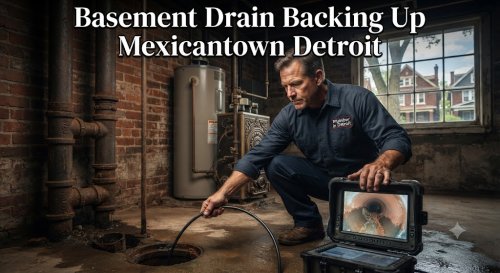
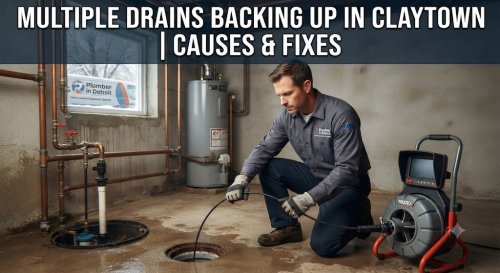
Step 2 Diagnosis: Technicians feed a specialized fiber-optic camera into the line to visually pinpoint the exact location, depth, and nature of the damage.
-
Step 3 Estimate: Based on the video findings, the plumber provides a transparent, itemized repair proposal outlining whether trenchless rehabilitation or traditional excavation is required.
-
Step 4 Repair: The team executes the agreed-upon solution, whether hydro jetting out roots, spot-repairing a broken section, or pulling a seamless structural liner through the old pipe.
-
Step 5 Testing: Water is run through the entire system and a follow-up camera pass is performed to verify proper flow and structural integrity.
-
Step 6 Cleanup: Work areas, basements, and excavation zones are thoroughly sanitized, backfilled, and restored to professional standards.
-
Step 7 Maintenance Advice: The technician provides customized guidelines on how to prevent future blockages based on the specific pipe material and tree proximity.
Can You Fix It Yourself?
Attempting DIY repairs on a main sewer line is generally unsafe and ineffective. While homeowners can safely deploy a standard household plunger on individual toilet or sink clogs, main sewer lines require specialized industrial equipment.
Renting a heavy-duty mechanical auger without professional training can punch a hole through brittle cast iron pipe walls, collapse old clay tile, or cause the snake cable to get hopelessly stuck underground—turning a minor clog into a major excavation emergency. Furthermore, exposure to raw sewage carries genuine biological health hazards. When multiple drains back up, or if sewage surfaces in your yard, DIY methods must stop immediately, and a licensed local plumbing professional should be called.
Tools Professionals Use
Modern plumbing relies on advanced diagnostic and repair technology to solve underground issues with minimal property disruption.
-
Drain cameras: High-resolution waterproof cameras mounted on flexible push-rods transmit real-time video of pipe interiors to locate cracks, roots, and bellies.
-
Leak detection equipment: Acoustic listening devices and thermal sensors trace hidden pipe anomalies beneath concrete slabs and paved driveways.
-
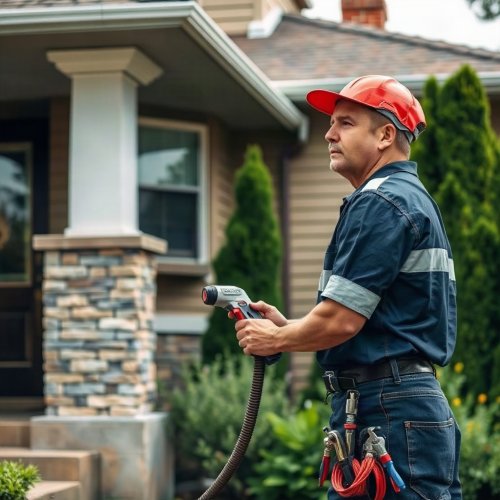
Hydro jetting: High-pressure water streams (up to 4,000 PSI) scour pipe walls completely clean of roots, scale, and stubborn grease buildup.
-
Pipe locators: Electromagnetic radio transmitters attached to inspection cameras pinpoint the exact surface location and burial depth of underground problems.
-
Pressure testing: Pneumatic gauges isolate pipe sections to verify system-wide water-tightness.
-
Trenchless equipment: Pipe-bursting rigs and epoxy-resin inversion systems allow plumbers to replace or line damaged pipes without destroying landscaping or driveways.
How Long Does the Repair Usually Take?
Repair timelines vary widely based on the severity of the damage, pipe material, depth, and accessibility.
-
Simple repairs: Clearing a severe mainline clog via an accessible cleanout typically takes 1 to 3 hours.
-
Moderate repairs: Spot-repairing a localized broken section or installing a short structural pipe liner generally requires 4 to 8 hours (one working day).
-
Major repairs: Full trenchless pipe lining or traditional excavation of an entire collapsed line takes 1 to 3 days depending on yard obstacles and municipal permitting.
-
Emergency repairs: Temporary bypass setups and emergency sewage mitigation can be established within a few hours to protect the property while permanent repairs are scheduled.
Cost Factors
Plumbing repair costs vary depending on the severity of the problem, accessibility, materials required, emergency service, property type, and local labor rates.
-
Diagnostic fees: Initial camera inspections and troubleshooting service calls.
-
Parts: Materials needed, such as heavy-duty PVC piping, epoxy liners, or replacement connectors.
-
Labor: Skilled technician hours required for manual excavation, trenchless setup, or complex cabling.
-
Emergency service charges: After-hours, weekend, or holiday dispatch premiums.
-
Equipment needed: Specialized deployment of hydro jetting units or trenchless pulling machinery.
-
Permit costs: Municipal excavation and plumbing permits required by local Wayne County building departments.
-
Replacement vs repair: The long-term economy of spot-fixing versus full system replacement.
-
Accessibility of pipes: Whether lines run beneath finished basement concrete, expensive patios, or easily accessible front lawns.
Hidden Truths Homeowners Should Know
Understanding the realities of underground plumbing prevents unexpected financial surprises and protects property value.
-
Small leaks become expensive repairs if left unaddressed as surrounding soil washes away and collapses pipe grades.
-
Cheap temporary fixes, such as pouring harsh chemical root killers down toilets, often fail to remove structural obstructions and can damage pipe walls.
-
Homeowners insurance policies typically do not cover damage caused by neglected plumbing or normal wear-and-tear pipe deterioration.
-
Tree roots can repeatedly damage sewer lines unless mechanical root barriers or seamless trenchless liners are installed.
-
Hard water shortens fixture and pipe lifespan by accelerating internal mineral scale accumulation.
-
DIY mistakes during attempted cleanings frequently increase total professional repair costs by compounding structural damage.
-
Delaying repairs causes severe structural damage to home foundations, flooring, and load-bearing walls.
-
Hidden leaks drastically increase municipal water and utility bills over time.
-
Toxic mold develops rapidly within 24 to 48 hours of a hidden sewer or wastewater leak.
-
Annual preventative maintenance saves money by catching minor issues before catastrophic failures occur.
15 Common Mistakes Homeowners Make
Avoiding these frequent missteps protects your plumbing system from premature failure.
-
Ignoring leaks: Brushing off minor damp spots allows foundation erosion to worsen silently.
-
Using chemical drain cleaners: Pouring harsh caustic chemicals into slow drains degrades metal pipe interiors and poses severe safety risks.
-
Flushing wipes: Even products labeled "flushable" do not break down like toilet paper and weave together into massive blockages.
-
Pouring grease down drains: Liquid fats cool inside underground pipes, solidifying into rock-hard obstructions.
-
Ignoring water pressure problems: Neglecting pressure fluctuations stresses aging joints until they fracture.
-
Hiring unlicensed plumbers: Working with uninsured handymen leads to substandard repairs, code violations, and zero workmanship warranties.
-
Skipping maintenance: Failing to schedule annual camera inspections lets root intrusion go unnoticed.
-
Waiting until emergencies: Delaying service until sewage overflows causes thousands of dollars in avoidable water damage.
-
Using wrong pipe materials: Mixing incompatible pipe materials (like copper and galvanized steel) accelerates electrochemical corrosion.
-
Over-tightening plumbing fittings: Applying excessive torque to fixture nuts cracks porcelain and strips threads.
-
Planting large trees near sewer lines: Positioning thirsty trees directly over utility paths guarantees future root invasion.
-
Disposing of construction debris: Washing drywall mud or grout down sinks clogs drainage traps and main lines.
-
Neglecting cleanout caps: Leaving outdoor cleanout pipes uncovered allows surface rainwater and debris to flood the system.
-
Failing to locate main shutoffs: Not knowing where water and gas shutoffs are located delays crisis mitigation.
-
Ignoring slow gurgling drains: Hoping a slow drain will fix itself leads to sudden, messy backups.
Maintenance Tips
Proactive care extends the operational life of your entire residential or commercial plumbing infrastructure.
-
Schedule annual inspections: Hire a licensed professional to run a camera through your main sewer line every 1–2 years.
-
Watch what you flush: Stick strictly to human waste and toilet paper; never flush wipes, cotton balls, or hygiene products.
-
Manage kitchen grease: Collect cooking oils in a container and throw them in the trash instead of rinsing them down the kitchen sink.
-
Install drain screens: Catch hair and food particles in sink and shower strainers before they enter branch lines.
-
Plant trees wisely: Keep large shade trees with aggressive root systems at least 15 to 20 feet away from underground sewer paths.
-
Consider root barriers: Ask your plumber about applying approved chemical root inhibitors around vulnerable clay or cast-iron lines.
-
Flush lines with hot water: Run boiling water down kitchen drains monthly to help liquefy minor soap and grease accumulations.
-
Insulate exposed pipes: Protect basement and crawlspace pipes from freezing during harsh Detroit winters.
-
Monitor water pressure: Install a pressure-reducing valve (PRV) if your home pressure exceeds 80 PSI to protect fittings.
-
Test your sump pump: Ensure your basement sump and backup systems operate correctly before heavy spring thaw seasons.
-
Clear yard cleanouts: Keep outdoor sewer cleanout caps visible, tight, and free of overgrown landscaping.
-
Spread enzymatic cleaners: Use monthly bio-enzymatic drain treatments to naturally digest organic buildup without harming pipes.
-
Avoid harsh acids: Never rely on store-bought chemical drain openers for stubborn main line blockages.
-
Fix minor drips immediately: Repair dripping faucets and running toilets to reduce overall system strain.
-
Know your main shutoff: Clearly tag your main water and sewer access points for rapid emergency response.
When Should You Call an Emergency Plumber?
Certain plumbing crises demand immediate, after-hours professional intervention to protect health and property.
-
Burst pipes: Sudden mainline fractures flooding living spaces or basements require an immediate water shutdown and emergency dispatch.
-
Sewage backup: Raw wastewater rising through basement floor drains or fixtures poses an active health hazard requiring immediate extraction and line clearing.
-
No running water: Sudden total loss of water supply can indicate frozen service lines or major municipal breaks.
-
Overflowing toilet: A toilet that refuses to stop flooding bathrooms requires immediate mechanical intervention.
-
Gas line concerns: If you smell sulfur or rotten eggs near gas-powered water heaters, evacuate immediately and call emergency services.
-
Major water leaks: Uncontrolled spraying from broken supply pipes threatens electrical panels and structural stability.
-
Flooding: Rapid accumulation of water in living areas or utility rooms demands emergency extraction pumps and plumbing repairs.
Frequently Asked Questions
Why is my water pressure suddenly low?
Sudden pressure drops usually stem from a partially closed main shutoff valve, a failing pressure-reducing valve (PRV), or mineral scale buildup clogging aerators and supply lines. If accompanied by drainage issues, it can signal a compromised service entry.
How much does leak detection cost?
Leak detection costs vary based on the complexity of the property and the diagnostic tools required (such as acoustic sensors or thermal imaging). Contact our team for an upfront, transparent estimate tailored to your specific situation.
Can a clogged drain damage pipes?
Yes. Severe clogs create immense internal water pressure and trap corrosive organic waste against pipe walls, accelerating structural cracks, joint separation, and ultimate pipe failure.
Is hydro jetting safe for old pipes?
Professional plumbers first inspect pipe integrity using a camera. If the pipe is structurally sound, hydro jetting is safe and exceptionally effective; however, severely deteriorated, collapsed pipes may require trenchless lining instead.
How do I know if my sewer line is broken?
Key indicators include multiple slow drains, foul sewage odors in the yard or basement, gurgling toilets, lush green patches of grass over the pipe trench, and raw sewage backing up into lower-level floor drains.
How long do water heaters last?
Standard tank water heaters typically last between 8 to 12 years, while tankless models can operate efficiently for 15 to 20 years with proper annual flushing and maintenance.
Why does my faucet drip?
Dripping faucets are usually caused by worn-out internal washers, O-rings, or corroded valve seats due to hard water mineral friction over time.
What causes pipes to burst?
Pipes most commonly burst due to freezing winter water expanding inside rigid metal or plastic walls, excessive water pressure, or ground shifting from nearby sewer excavation or root damage.
Can plumbing leaks increase my water bill?
Absolutely. Even a small, silent toilet flapper leak or hidden underground drip can waste thousands of gallons of water per month, causing a noticeable spike in municipal utility bills.
When should I replace plumbing instead of repairing it?
If your home features aging galvanized steel, corroded cast iron, or degrading Orangeburg piping that requires frequent patchwork, full repiping or trenchless sewer replacement is more cost-effective in the long run.
Why Choose Plumber in Detroit
Plumber in Detroit delivers dependable, high-quality plumbing solutions backed by years of hands-on local experience.
-
Experienced licensed plumbers: Our technicians are fully certified, insured, and extensively trained in modern diagnostic and repair techniques.
-
Honest recommendations: We provide straightforward, transparent advice focused on the long-term health of your plumbing system without unnecessary upsells.
-
Upfront estimates: You receive clear, detailed pricing before any work begins so you never encounter hidden fees.
-
Fast response: We respect your time and respond promptly to urgent residential and commercial service calls across the Detroit area.
-
Emergency availability: Our team is on standby to handle critical plumbing failures whenever they occur.
-
Quality workmanship: We stand behind our repairs with rigorous testing and industry-standard best practices.
-
Modern equipment: We utilize state-of-the-art diagnostic cameras, hydro jetters, and trenchless repair gear for maximum accuracy.
-
Customer satisfaction: We prioritize clear communication, clean workspaces, and courteous service on every job.
-
Local expertise: We understand the unique challenges posed by Detroit's historic architecture, clay soils, and freezing Midwest winters.