Troubleshooting Low Water Pressure in Detroit Homes
Learn how to diagnose and troubleshoot low water pressure in Detroit homes. Discover common causes from mineral buildup to municipal supply issues.

NEED A PLUMBER?
Fast & Local Plumbing Services
Leaks • Clogged Drains • Burst Pipes • Water Heaters • Emergency Plumbing
NEED A PLUMBER?
Fast & Local Plumbing Services
Leaks • Clogged Drains • Burst Pipes • Water Heaters • Emergency Plumbing
Dealing with a sudden drop in water pressure can make everyday tasks like showering, washing dishes, and doing laundry frustrating. In Detroit homes, water pressure issues can stem from a variety of sources, ranging from simple fixture-level clogs to broader municipal infrastructure factors. As a plumber working across the area, I frequently help homeowners diagnose why their taps are barely trickling.
Is the Pressure Issue Localized or Whole-House?
The first step in troubleshooting low water pressure is determining whether the problem affects a single fixture or your entire house. Walk through your property and test multiple faucets, showers, and outdoor hose bibs.
Single Fixture Investigation
If only one faucet or showerhead has low pressure, the issue is almost always localized to that specific hardware. Over time, mineral deposits, sediment, and rust can clog aerators and showerhead nozzles. This is particularly common in older Detroit residential properties where mineral accumulation restricts water flow.
To check this, unscrew the aerator from the end of the faucet spout or detach the showerhead. Clean out any trapped debris or soak the component in a vinegar solution to dissolve mineral buildup before screwing it back into place.
Whole-House Pressure Drop
If every tap in your house suffers from weak flow, the root cause lies somewhere in your main supply line, water meter, or pressure-reducing valve (PRV). When the entire property is affected, a more systematic inspection is required.
Start by checking your main water shut-off valve, usually located in the basement near where the service line enters your home. Ensure the valve is fully open. A partially closed valve will significantly restrict water volume entering your plumbing system.
Common Culprits Behind Whole-House Pressure Loss
When multiple fixtures experience reduced pressure, several mechanical and environmental factors are usually at play:
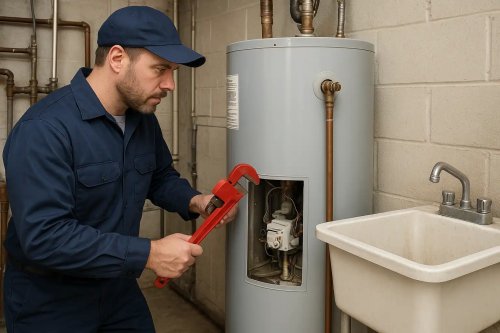
- Pressure-Reducing Valve (PRV) Failure: Most homes have a bell-shaped PRV designed to regulate incoming municipal water pressure. When these valves fail internally, they can become stuck, shutting down or heavily restricting water flow.
- Corroded Galvanized Pipes: Many older homes throughout Detroit were originally built with galvanized steel piping. Over decades of service, these pipes corrode internally, narrowing the pathway for water and severely reducing pressure.
- Main Line Leaks: A hidden leak in your underground service line between the street and your foundation can pull water away before it reaches your interior plumbing, dropping household pressure.
- Municipal Supply Fluctuations: Sometimes the issue originates with the Detroit Water and Sewer Department (DWSD). Neighborhood main breaks, scheduled maintenance, or high municipal demand during peak hours can temporarily lower supply pressure.
- Periodically inspect and clean all sink aerators and showerheads.
- Monitor your water bill for unexplained spikes, which often indicate hidden leaks causing pressure loss.
- Schedule routine plumbing inspections if your home contains aging galvanized or polybutylene piping.
- Keep your main shut-off valve clearly accessible so you can quickly isolate your system if an emergency arises.
Diagnosing and Managing Your Home's Water Pressure
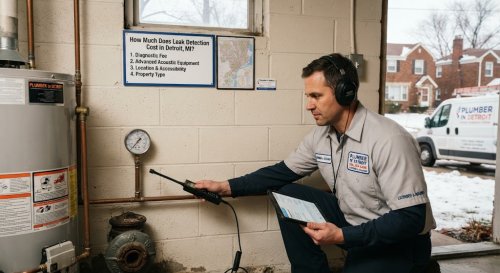
To accurately gauge your home's water pressure, you can screw a simple water pressure gauge onto an outdoor hose bib or laundry sink faucet. Normal residential water pressure typically ranges between 40 and 80 psi (pounds per square inch). If your gauge reads below 40 psi, you have a definitive pressure deficiency.
If you suspect a failing PRV or widespread pipe corrosion, these mechanical components require specialized tools and evaluation. Tinkering with internal supply lines without proper equipment can lead to structural leaks or unexpected pipe bursts.
Preventative Steps for Stable Water Pressure
While you cannot control municipal infrastructure, you can protect your interior plumbing to maintain consistent water flow:
By systematically narrowing down where the pressure drop occurs, you can identify whether you are dealing with a simple cleaning task or a mechanical repair that requires professional Detroit plumbing services.