Cast Iron Pipe Problems in Older Detroit Homes
Learn about cast iron pipe problems in older Detroit homes. Discover warning signs, causes, repair options, and when to call a professional plumber.

NEED A PLUMBER?
Fast & Local Plumbing Services
Leaks • Clogged Drains • Burst Pipes • Water Heaters • Emergency Plumbing
NEED A PLUMBER?
Fast & Local Plumbing Services
Leaks • Clogged Drains • Burst Pipes • Water Heaters • Emergency Plumbing
Cast Iron Pipe Problems in Older Detroit Homes: Warning Signs to Watch For
Introduction: The Hidden Crisis in Detroit's Historic Housing Stock
Detroit, Michigan, is celebrated for its incredible architectural heritage. From the historic mansions of Boston-Edison and Indian Village to the charming bungalows of Rosedale Park and East English Village, the city boasts a wealth of older homes built in the early-to-mid 20th century. These properties offer character and craftsmanship rarely found in modern construction. However, they also share a common, aging infrastructure component that is increasingly becoming a homeowner's worst nightmare: cast iron plumbing pipes.
For decades, cast iron was the standard material for residential drain, waste, and vent (DWV) systems due to its durability and sound-dampening qualities. But nothing lasts forever. Cast iron pipes typically have a lifespan of 50 to 80 years. With many Detroit homes approaching 70 to 100 years old, these original pipes are reaching the end of their functional life.
The breakdown of these pipes is not merely an inconvenience; it is a looming crisis that can lead to severe structural damage, expensive repairs, and significant health hazards from raw sewage exposure. As an experienced plumber in Detroit, we receive calls daily regarding issues stemming from failing cast iron plumbing. Understanding the warning signs of cast iron pipe problems is essential for every owner of an older Detroit home.
Ignoring these signs can turn a slow drain into a catastrophic main sewer line failure, costing thousands of dollars in remediation. This article will explain why cast iron fails, the critical warning signs you need to watch for, common related plumbing problems, the professional repair process, and why proactive replacement is often the only true solution.
What Is the Cast Iron Pipe Problem?
The "cast iron pipe problem" refers to the inevitable deterioration of aging cast iron sewer and drain lines. While cast iron is strong, it is susceptible to internal and external corrosion over many decades.
Internal Corrosion (The "Rust" Factor)
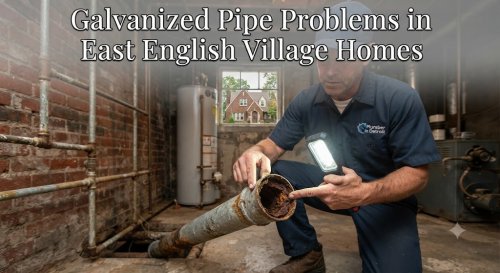
Wastewater, especially in modern households that utilize harsh chemical cleaners and garbage disposals, reacts with the interior surface of the pipe. This reaction causes oxidation, commonly known as rust. This rust doesn't just stay smooth; it creates a rough, scaly buildup inside the pipe, often referred to as "tuberculation."
This buildup narrows the diameter of the pipe, making it increasingly difficult for waste and toilet paper to pass through. This rough surface is the perfect trap for solids, leading to frequent clogs. Furthermore, as the pipe wall thins due to corrosion, it becomes brittle and eventually develops cracks and holes.
External Factors (Soil and Tree Roots)
Many Detroit homes sit on soil that shifts with the seasons. As the ground freezes and thaws, it puts immense pressure on underground cast iron pipes. Additionally, tree roots are a constant threat. Roots are naturally drawn to the moisture and nutrients escaping from microscopic cracks in aging pipes. Once a root infiltrates a pipe, it grows rapidly, enlarging the crack, causing significant structural damage, and creating a massive blockage.
In the context of Detroit, the widespread use of aging cast iron pipes underneath concrete basement floors is a significant issue. When these pipes fail, water and sewage erode the soil beneath the foundation, leading to slab leaks and structural compromise.
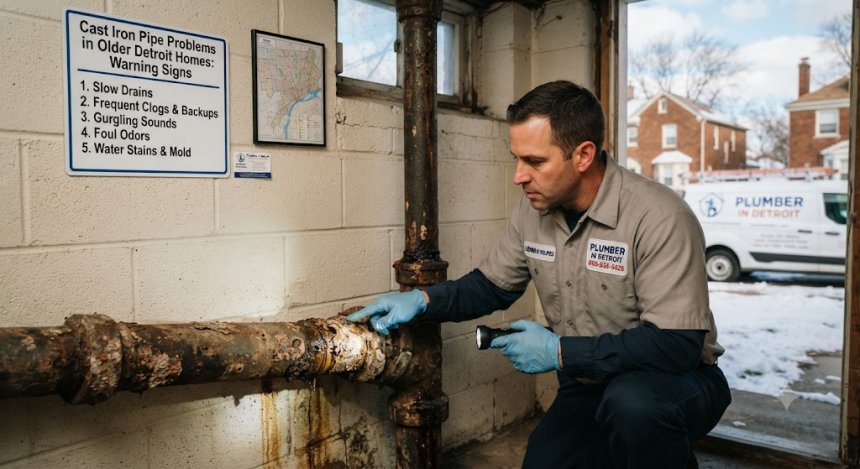
Signs You Should Never Ignore: Recognizing Cast Iron Pipe Failure
Because most of the critical cast iron piping is hidden behind walls, under floors, or underground, homeowners often don't realize there is a problem until significant damage has occurred. However, there are early warning signs. If you notice any of the following in your older Detroit home, it is time to call a professional plumber immediately for a sewer camera inspection.
1. Slow Drains Throughout Your Home
A single slow drain is usually a localized clog in that specific fixture. But if every drain in your house—sinks, showers, and toilets—is draining slowly, it strongly indicates a problem in the main sewer line leaving the house. As cast iron pipes corrode internally, the accumulation of rust and scale restricts the overall flow of wastewater to the city main.
2. Frequent Clogs and Backups
Are you constantly plunging toilets or using chemical drain cleaners? This is a classic sign of failing cast iron. As mentioned, the rough interior walls of corroded pipe snag toilet paper and solids, leading to recurring clogs. Eventually, these clogs worsen, resulting in sewage backing up into your basement floor drains, toilets, or tubs. This is an unsanitary emergency that requires immediate professional intervention.
3. Gurgling Sounds from Drains or Toilets
Do you hear a "glug-glug" sound coming from your sink drain when you flush the toilet? Do toilets gurgle when the washing machine runs? These strange noises are caused by trapped air trying to escape the plumbing system. In a properly functioning system, air vents allow air to escape through the roof. When cast iron pipes are blocked by rust buildup or damaged by collapse, the air is forced backward through the water in other P-traps, creating gurgling sounds.
4. Foul Odors (Sewage Smells)
You should never smell sewage inside your home. A properly functioning plumbing system uses P-traps (the curved section of pipe under sinks) to hold a small amount of water that blocks sewer gases from entering your living space. If you smell a persistent musty or rotten egg odor in your basement, utility room, or near drains, it may indicate that corroded cast iron pipes have developed cracks or holes, allowing sewer gas to escape into your home.
5. Water Stains, Dampness, or Mold in the Basement
Many Detroit homes have basements with exposed foundation walls. If you see unexplained water stains, persistent dampness, or mold growth on the lower portion of your basement walls or floor near where the plumbing exits the house, it could signal a leaking or burst cast iron sewer pipe buried beneath the slab or within the wall cavity. This moisture compromises indoor air quality and fosters toxic mold growth.
6. Pests and Insects (Fruit Flies and Sewer Flies)
If you notice an influx of small flies in your basement, particularly around drains, it could be an indication of a crack in your cast iron sewer pipes. Sewer flies and fruit flies are attracted to the organic matter and moisture present in raw sewage. If they can access a crack in the pipe, they will breed and enter your home through floor drains or wall cavities.
7. Indentations or Extra Green Patches in Your Yard
This is a sign of a failing main sewer line outside your house. If the cast iron pipe connecting your home to the city main has collapsed or cracked severely, it will leak sewage into the surrounding soil. This can cause a noticeable depression or sinkhole in your lawn. Conversely, the leaking sewage acts as a potent fertilizer, causing the grass directly above the broken pipe to be greener and more lush than the rest of your lawn.
Common Plumbing Problems Related to Cast Iron Failure
A failing cast iron system doesn't just stop draining; it creates a cascade of other plumbing and structural issues.
1. Complete Sewer Line Collapse
This is the ultimate consequence of ignored cast iron pipe problems. As corrosion thins the pipe wall, external soil pressure and shifting ground can cause the pipe to completely collapse. When this happens, wastewater has nowhere to go and immediately backs up into your home. This requires immediate, emergency excavation and replacement of the main sewer line.
2. Invasive Tree Roots
As mentioned, tree roots exploit even the tiniest cracks in aging cast iron pipes. Once inside, they grow, causing severe blockages and often shattering the brittle cast iron pipe completely. Simply auguring (rootering) the line provides only a temporary fix; the roots will grow back within months, and the structural integrity of the pipe is compromised forever.
3. Slab Leaks and Foundation Damage
In many older Detroit homes, the main cast iron sewer line runs underneath the concrete basement floor. When this pipe leaks or bursts, the escaping water and sewage wash away the soil beneath the foundation (known as "voiding"). This can lead to significant structural settling, cracks in basement walls, and a flooded basement. Repairing slab leaks is a major undertaking that often requires jackhammering the basement floor.
4. Mold Remediation and Water Damage
Sewage backups and hidden leaks from corroded pipes saturate building materials like drywall, insulation, and subflooring. Mold begins to grow within 24 to 48 hours of water exposure. Addressing cast iron pipe problems often involves not just replacing the plumbing, but also extensive and costly mold remediation and structural repairs.
5. Property Contamination
A major sewer backup into a basement or crawlspace contaminates the area with harmful bacteria and pathogens. This requires professional cleanup and sanitization to ensure the home is safe for habitation.
Step-by-Step Professional Repair Process: How a Licensed Detroit Plumber Handles Cast Iron Issues
If you suspect you have cast iron pipe problems, it is crucial to hire a licensed, experienced plumber who specializes in older Detroit homes.
Step 1: Comprehensive Sewer Camera Inspection
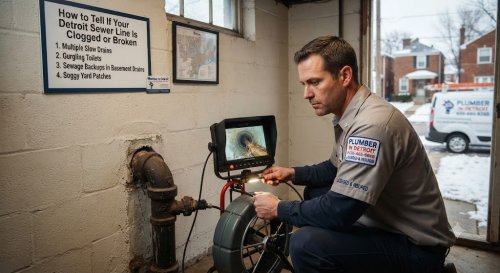
The process always begins with a professional video camera inspection. The plumber will insert a specialized, waterproof sewer camera through a cleanout access point and snake it through your main sewer line. This allows the plumber to see the exact condition of the pipe from the inside, identify areas of heavy rust buildup (tuberculation), locate cracks, identify root intrusion, and pinpoint the exact location of any breaks. This takes the guesswork out of the diagnosis.
Step 2: Honest Diagnosis and Estimate
Based on the camera inspection, the plumber will provide an honest assessment. In an older home with widespread cast iron issues, they will likely advise that spot repairs are futile and that a full or partial repiping is necessary. They will provide a detailed, upfront estimate for the scope of work.
Step 3: Trenchless Sewer Repair vs. Traditional Excavation
For main sewer line replacements, modern plumbers often offer trenchless technology, which is ideal for minimizing damage to your landscaping and home interior.
-
Trenchless Pipe Bursting: This method involves pulling a new pipe through the old, damaged cast iron line. As the new pipe is pulled through, it fractures the old cast iron pipe outward, effectively replacing it without extensive digging. This typically requires only two small access holes.
-
Pipe Lining (Cured-in-Place Pipe - CIPP): This involves inserting a flexible liner coated with epoxy resin into the existing cast iron pipe. The liner is inflated and hardens, creating a new, smooth, seamless pipe inside the old one. This also requires minimal excavation.
-
Traditional Excavation: In some cases, especially for slab leaks or severely collapsed pipes that cannot accommodate trenchless methods, traditional excavation is necessary. This involves digging up the yard or jackhammering the basement floor to access and replace the faulty pipe section by section.
Step 4: Permitting and Inspection
Major sewer line replacements in Detroit require permits and inspections by the city to ensure the work is up to current plumbing codes. A reputable plumber will handle this entire process.
Step 5: Testing and Cleanup
Once the new pipes are installed, the plumber will perform rigorous flow tests and another camera inspection to ensure the new system is functioning perfectly. They will also perform a thorough cleanup of the work area.
Can You Fix Cast Iron Problems Yourself? (Safe DIY vs. Professional Necessity)
It is important for homeowners to understand what they can safely handle and when professional intervention is absolutely necessary.
Safe DIY Solutions
-
Prevention: The best DIY approach is prevention. Be mindful of what goes down your drains. Never pour grease, fats, or oils down the sink. Never flush "flushable" wipes, feminine products, or excessive amounts of toilet paper.
-
Minor Clogs: For a single, slow-draining sink or toilet, using a standard plunger or a hand-cranked drain snake (up to 25 feet) is generally safe.
When DIY Becomes Dangerous or Ineffective
-
Chemical Drain Cleaners: Never use chemical drain cleaners on old cast iron pipes. These harsh chemicals generate heat and toxic fumes, accelerating the corrosion process and weakening already brittle pipes. They can also cause severe chemical burns to plumbers who are eventually called to fix the resulting disaster.
-
Renting Large Drain Augers (Rooters): Attempting to clear a main sewer line clog with a heavy-duty, rented motorized auger is dangerous. If the auger head catches a root mass or a collapsed section of pipe, the powerful machine can twist violently, causing significant bodily injury to the operator or shattering the already fragile cast iron pipe, turning a clog into a major collapse.
-
Trenchless Repair: This requires specialized equipment and expertise. It is not a DIY project.
When professional plumbing is necessary: You must call a licensed plumber if you experience multiple slow drains, recurring clogs, sewage backups, gurgling noises, or suspect a slab leak. Attempting to solve these problems yourself often results in much higher repair costs.
Hidden Truths Homeowners Should Know
-
Spot Repairs are Often Throwing Money Away: If your cast iron pipes are 70 years old and you have a break in one section, the rest of the pipe is likely in a similar condition. Fixing one spot often leads to another failure a few feet away shortly after. In older homes with failing cast iron, full replacement is usually the most cost-effective long-term solution.
-
Insurance Rarely Covers Wear and Tear: Standard homeowner insurance policies cover sudden and accidental water damage (e.g., a pipe suddenly bursting and flooding the living room). However, they generally do not cover damage resulting from wear and tear, gradual corrosion, or neglected maintenance. This means if your cast iron pipes slowly leak over years, rotting out your subfloor, the insurance claim will likely be denied.
-
Sewer Lines are Your Responsibility: In Detroit, homeowners are responsible for the entire lateral sewer line running from their house to the city main connection in the street or alley. This includes the portion under your property and under the street.
15 Common Mistakes Homeowners Make with Cast Iron Pipes
-
Ignoring Warning Signs: Hoping that a slow drain or gurgling sound will just go away. It won't. It will get worse.
-
Using Chemical Drain Cleaners: This is the #1 killer of aging cast iron pipes.
-
Flushing "Flushable" Wipes: These are the #1 cause of main sewer line clogs in older homes.
-
Using Garbage Disposals: Disposals put immense strain on aging drain lines by introducing large amounts of organic waste and fats that corrode cast iron and cause blockages.
-
Pouring Grease Down the Drain: Even with a garbage disposal, fats and grease solidify in cold pipes, leading to clogs.
-
Hiring Unlicensed Handymen for Plumbing: Plumbing in older homes is complex and requires knowledge of older systems and current codes. Bad workmanship leads to catastrophic failures.
-
Planting Trees Near Sewer Lines: Tree roots love sewer lines. Keep large trees far away from your lateral sewer line.
-
Neglecting Mainline Cleanouts: Older homes often lack proper cleanout access. If you don't have one, install one. It makes maintenance much easier and cheaper.
-
Over-Tightening Plumbing Connections: This can crack brittle cast iron fittings.
-
Using the Wrong Pipe Materials for Repairs: Mixing dissimilar metals (like copper and cast iron) without proper dielectric unions causes galvanic corrosion, which eats away at the pipe.
-
Running Appliances During a Backup: Flushing the toilet or running the washing machine during a main sewer backup will only pump more sewage into your basement.
-
Not Locating Main Water Shutoff: In a major pipe burst, every second counts. Know exactly where your main water shutoff is and ensure it works.
-
Skipping Camera Inspections: Never buy an older Detroit home without getting a professional sewer camera inspection of the main line. It can save you $15,000 in repairs the first month you own the home.
-
Thinking Cast Iron Lasts Forever: It doesn't. If your home was built before 1970 and still has original plumbing, you are on borrowed time.
-
Delaying Full Replacement: If a plumber recommends full replacement due to widespread failure, delaying it will only result in emergency repairs, water damage, and higher costs later.
Maintenance Tips for Extending the Life of Your Cast Iron Pipes
While replacement is inevitable for aging cast iron, you can take steps to minimize stress and avoid premature failure.
-
Be Mindful of What You Flush: The only things that should go into your toilet are human waste and toilet paper. Period.
-
Use Drain Strainers: Catch hair in showers and food debris in kitchen sinks before it enters the drain.
-
Keep Fats, Oils, and Greases (FOG) Out of Drains: Collect cooking grease in a container and dispose of it in the trash.
-
Schedule Professional Hydro Jetting: For homes prone to recurring buildup (tuberculation), annual or biannual professional hydro jetting can clear out rust scale and sludge without damaging the pipe. This is much safer than auguring or chemicals.
-
Install a Backwater Valve: This is a crucial preventative device that allows sewage to flow out of your home but prevents it from flowing back in during a municipal sewer backup. A licensed plumber can install this in your main sewer line.
-
Consider Root-X Treatments: If you have a history of minor root intrusion and cannot afford immediate replacement, annual Root-X treatments can kill roots inside the pipe and inhibit future growth without damaging the cast iron.
-
Get Annual Plumbing Inspections: Have a licensed plumber perform a visual inspection of your visible pipes and recommend a camera scope of the main line if they see signs of trouble.
-
Upgrade Fixtures: Replace old, water-guzzling toilets with modern, low-flow models. This reduces the volume and velocity of water through your aging sewer lines, which can actually help reduce clogs in tuberculated pipes.
-
Address Slow Drains Immediately: Don't wait for a complete stoppage. Call a plumber for a camera inspection at the first sign of widespread slow drainage.
-
Remove Problematic Trees: If a large tree is directly on top of your sewer line and causing chronic issues, the most permanent solution is often to remove the tree and replace the pipe.
When Should You Call an Emergency Plumber in Detroit?
You have a plumbing emergency requiring an immediate call to a 24/7 plumber in Detroit when the situation poses an immediate threat to health, safety, or property.
-
Sewer Backup: Sewage is actively overflowing from any drain in your home.
-
Total Water Stoppage: No water is coming out of any faucet in your house.
-
Major Pipe Burst: A pressurized supply pipe has