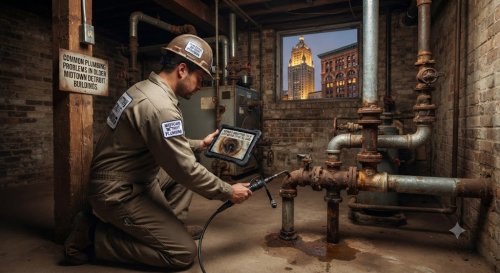
Why Does My Detroit Water Heater Smell Like Sulfur? Causes & Fixes
Noticed a rotten egg smell from your Detroit home's hot water? Learn why your water heater smells like sulfur and how a Detroit plumber resolves it.


NEED A PLUMBER?
Fast & Local Plumbing Services
Leaks • Clogged Drains • Burst Pipes • Water Heaters • Emergency Plumbing
NEED A PLUMBER?
Fast & Local Plumbing Services
Leaks • Clogged Drains • Burst Pipes • Water Heaters • Emergency Plumbing
Turn on your hot water faucet in your Detroit home, and instead of clean water, you are hit with an unmistakable, unpleasant odor. Often described as rotten eggs or sulfur, this foul smell coming from your plumbing system is surprisingly common. As a plumbing professional working throughout the Detroit area, this is one of the most frequent calls I receive. Homeowners naturally worry that something dangerous is happening within their water supply, but in most cases, the issue is a chemical reaction inside the water heater tank itself.
The Root Cause: The Anode Rod and Bacteria
To understand why your hot water smells like sulfur, you need to look at how a modern storage water heater is built. Inside every tank is a sacrificial anode rod—a long metal core made of aluminum, zinc, or magnesium wrapped around a steel wire. The purpose of this rod is to rust instead of your steel tank, protecting your water heater from premature corrosion and leaks.
However, water chemistry in the Great Lakes region, combined with certain naturally occurring harmless bacteria, can create a sulfur reaction. When sulfate-reducing bacteria enter the water heater tank, they feed on the hydrogen produced by the sacrificial anode rod. This biochemical interaction produces hydrogen sulfide gas, which is what gives off that distinct rotten egg odor.
Why Only the Hot Water?
A telltale sign that the issue originates at your water heater rather than your main municipal water supply is that the smell only appears when you run the hot water. Cold water bypasses the water heater entirely, meaning it never comes into contact with the anode rod or the bacteria inside the tank. If both your hot and cold water smell like sulfur, the problem is likely coming from your municipal supply or a well, rather than the appliance itself.
How Detroit Plumbers Address Sulfur Smells in Water Heaters
Resolving a sulfur smell requires diagnosing the source and changing the internal environment of the tank so the bacteria can no longer thrive. Here are the standard professional steps used to eliminate the odor:
1. Flushing and Sanitizing the Tank
The first step in clearing out accumulated sulfur and bacteria is a thorough flushing of the water heater tank. For severe odors, a professional plumber may introduce a chlorine bleach solution into the tank, let it sit for a designated period to kill the bacteria, and then flush the entire system thoroughly before restoring normal operation.
2. Replacing the Anode Rod
If the standard aluminum or magnesium anode rod is reacting aggressively with your water chemistry, changing the material often provides a permanent fix. Plumbers frequently replace standard rods with powered titanium anode rods or zinc-aluminum alloy rods, which discourage bacteria growth and eliminate the rotten egg byproduct.
3. Adjusting Water Temperature Settings
Sometimes, setting the water heater thermostat too low allows bacteria to multiply rapidly inside the tank. Maintaining the temperature at or slightly above 140 degrees Fahrenheit can help keep bacteria growth in check, though a mixing valve may be recommended downstream to prevent scalding risks at household fixtures.
When to Call a Professional Detroit Plumber
While flushing a water heater might seem straightforward, handling gas lines, electrical connections, and pressurized tanks carries inherent risks. If sanitizing and replacing the anode rod does not resolve the sulfur odor, or if you notice signs of corrosion, leaks, or failing pressure relief valves, it is best to contact a licensed Detroit plumber to inspect the unit. Addressing water heater issues promptly ensures your home's water remains clean, safe, and pleasant to use throughout every season.
Frequently Asked Questions
Is a sulfur smell from my water heater dangerous?
In most residential cases, the hydrogen sulfide gas produced by the bacteria is present in very small, non-toxic concentrations. However, if the smell is accompanied by a hiss near gas supply lines, it could indicate a natural gas leak, which requires immediate emergency evacuation and professional help.
Can I fix a sulfur-smelling water heater myself?
Homeowners can sometimes temporarily reduce the smell by flushing the tank, but replacing anode rods or dealing with commercial sanitizing agents usually requires specialized tools and plumbing expertise to avoid damaging the appliance.
Does Detroit municipal water cause sulfur smells?
Detroit city water is treated extensively, but individual home plumbing systems, water heaters that sit unused for extended periods, or private wells in surrounding areas can develop bacterial growth that triggers sulfur odors.