Low Water Pressure Detroit MI | Plumber in Detroit
"Why is your water pressure suddenly low in Detroit, MI? Discover common causes, DIY fixes, repair costs, and when to call a licensed plumber.",

NEED A PLUMBER?
Fast & Local Plumbing Services
Leaks • Clogged Drains • Burst Pipes • Water Heaters • Emergency Plumbing
NEED A PLUMBER?
Fast & Local Plumbing Services
Leaks • Clogged Drains • Burst Pipes • Water Heaters • Emergency Plumbing
Why Does My Water Pressure Suddenly Drop in Detroit, MI? Causes & Solutionshttps://plumberindetroit.com
Introduction
Turning on the shower or kitchen tap only to find a sluggish trickle instead of a strong, steady stream is an instant source of frustration. For property owners across Detroit, MI—from historic neighborhoods like Boston-Edison and Rosedale Park to bustling residential areas throughout Wayne County—a sudden drop in water pressure can disrupt daily routines completely.
When water pressure plummets without warning, homeowners immediately search for answers. Is it a city infrastructure issue, a failing home component, or a hidden leak causing water to escape behind walls? Understanding what causes sudden pressure loss helps you act quickly, protect your property from structural moisture damage, and determine when it is time to call a licensed professional.
What Is Low Water Pressure?
Low water pressure refers to a noticeable decrease in the force and volume of water flowing out of your home's faucets, showerheads, and appliances.
Common Situations
-
Whole-House Drops: Every tap and shower in the house experiences weak flow simultaneously.
-
Isolated Fixture Drops: Only a single bathroom sink, kitchen faucet, or showerhead loses pressure while the rest of the home works normally.
-
Sudden vs. Gradual Changes: A dramatic drop occurring overnight versus a slow decline over several years.
Symptoms & Triggers
Common symptoms include washing machines taking twice as long to fill, showers feeling weak and ineffective, and multi-story homes failing to deliver water to upper-level bathrooms.
Why Does This Plumbing Problem Happen?
Water pressure issues in Detroit stem from a unique mix of regional infrastructure challenges, hard water mineral content, and private plumbing wear and tear. Primary causes include:
-
Aging Municipal Infrastructure & Main Breaks: The Detroit Water and Sewerage Department (DWSD) manages extensive historic networks. Neighborhood water main replacements or sudden line breaks frequently introduce pressure surges and sediment blockages.
-
Corroded Galvanized Pipes: Many homes built before the 1960s in areas like Bagley and East English Village feature galvanized steel pipes that rust from the inside out, severely choking water flow.
-
Hard Water Mineral Scaling: Southeast Michigan’s mineral-rich water leaves calcium and magnesium scale deposits inside pipes, valves, and aerators over time.
-
Failing Pressure-Reducing Valves (PRVs): PRVs regulate incoming municipal pressure (normally set between 45 and 65 PSI). When a PRV fails internally, it can restrict flow and cause erratic pressure drops.
-
Partially Closed Valves: A main water meter valve or fixture shut-off valve that was bumped or left partially closed after recent utility or home repairs.
-
Hidden Water Leaks: Major supply leaks divert water underground or behind drywall, starving your active fixtures of proper volume.
Signs You Should Never Ignore
A drop in water pressure is often a warning sign of a larger underlying plumbing malfunction. Pay close attention to these indicators:
-
Water Stains on Walls or Ceilings: Points to a hidden pipe leak reducing system pressure while rotting structural lumber.
-
Slow Drains: Can accompany pressure issues if sediment accumulation or blockages affect your overall plumbing network.
-
High Water Bills: A sudden jump in monthly costs paired with low pressure strongly indicates an active, hidden water leak.
-
Damp Walls or Musty Odors: Signals chronic moisture leaking from compromised supply lines behind finished surfaces.
-
Strange Banging Noises (Water Hammer): Indicates loose pipes or pressure surges that stress joints and valves.
-
Discolored or Rusty Water: Points to severe interior pipe corrosion or sediment displacement from municipal main flushes.
Common Plumbing Problems Related to This Issue
Low water pressure rarely occurs in a vacuum. It often connects to or causes related plumbing failures:
-
Hidden Pipe Leaks: Pinpoint leaks or burst lines that drain system volume.
-
Water Heater Failures: Heavy mineral sediment building up at the bottom of tank heaters, restricting hot water output and flow.
-
Fixture and Valve Damage: Corroded angle stops and clogged faucet cartridges.
-
Sump Pump Overload: Continuous running from hidden leaks that eventually burns out pump motors.
Step-by-Step Professional Repair Process
When you partner with a licensed Detroit plumbing team to diagnose low water pressure, they execute a systematic evaluation:
-
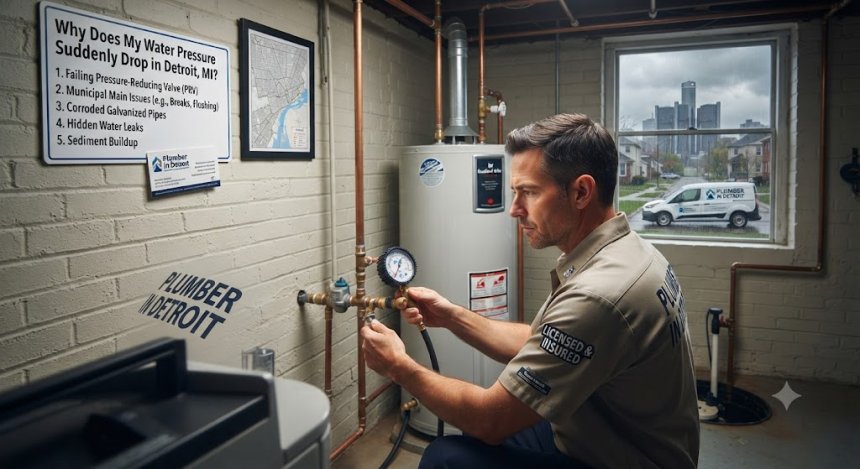
Step 1: Inspection: Attaching calibrated pressure gauges to hose bibs or main shut-off valves to record static and dynamic water pressure.
-
Step 2: Diagnosis: Isolating whether the pressure drop affects the entire house or a single fixture, determining if the root cause lies upstream at the city connection or downstream in private lines.
-
Step 3: Estimate: Providing a transparent, written upfront estimate detailing the required repairs, replacement valves, or repiping options.
-
Step 4: Repair: Replacing failed PRVs, clearing or replacing corroded galvanized pipes, flushing water heaters, or fixing hidden supply leaks.
-
Step 5: Testing: Re-testing water pressure and flow rates across multiple household fixtures to verify full restoration.
-
Step 6: Cleanup: Leaving the work area spotless and removing any old debris or extracted components.
-
Step 7: Maintenance Advice: Offering guidance on water softeners and routine PRV checks to prevent future pressure loss.
Can You Fix It Yourself?
Homeowners can safely perform basic troubleshooting before calling a professional.
-
Safe DIY Solutions: Cleaning mineral-scaled faucet aerators and showerhead filters by soaking them in vinegar.
-
Temporary Fixes: Checking main shut-off valves and meter valves to ensure they are twisted fully into the open position.
-
When DIY Becomes Dangerous: Attempting to adjust high-pressure PRV springs blindly without a gauge, cutting into main water supply lines, or tampering with municipal meter pits.
-
When Professional Plumbing is Necessary: Widespread whole-house pressure drops, failing pressure regulators, corroded galvanized steel networks, or hidden slab and wall leaks require certified expertise.
Tools Professionals Use
Licensed plumbers utilize specialized diagnostic tools to pinpoint pressure bottlenecks accurately:
-
Calibrated Pressure Gauges: Measure exact pounds per square inch (PSI) at various access points.
-
Acoustic Leak Detectors: Listen for pressurized water escaping behind walls or underground.
-
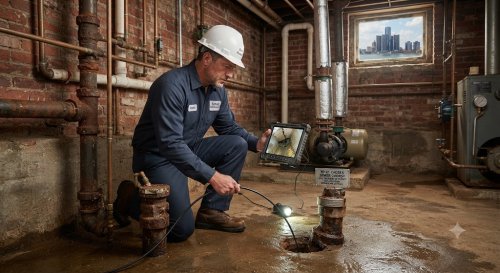
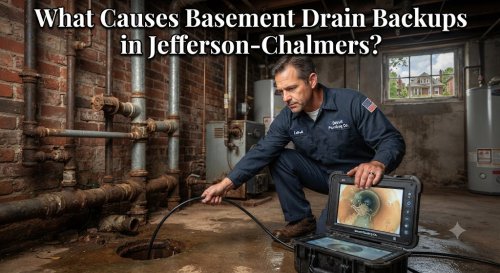
Pipe Inspection Cameras: Examine the interior diameter of supply lines and sewer connections.
-
Thermal Imaging Cameras: Identify hidden moisture and damp structural cavities caused by slow supply leaks.
-
Hydro-Flushing Equipment: Clear stubborn sediment and mineral scale from water heaters and main lines.
How Long Does the Repair Usually Take?
Repair timelines depend entirely on the root cause of the pressure drop:
-
Simple Repairs (e.g., cleaning clogged aerators or opening a partially closed valve): 30 minutes to 1 hour.
-
Moderate Repairs (e.g., replacing a faulty Pressure-Reducing Valve or flushing a water heater): 1 to 3 hours.
-
Major Repairs (e.g., whole-house repiping of corroded galvanized lines or fixing underground supply leaks): 1 to 3 days.
-
Emergency Response: Immediate evaluation and isolation within hours of your call.
Cost Factors
Plumbing repair costs vary based on several key variables:
-
Diagnostic Fees: Standard service call charges to evaluate system pressure and locate restrictions.
-
Labor Rates: Time and technical expertise required to perform repairs or repiping.
-
Parts and Materials: Cost of new PRVs, copper or PEX replacement pipes, and specialized valves.
-
Emergency Service Charges: Premium rates for after-hours or weekend emergency dispatch.
-
Accessibility of Pipes: Hard-to-reach lines inside concrete slabs, crawlspaces, or finished walls require more labor.
-
Permit Costs: Required by local municipalities for major plumbing infrastructure modifications.
-
Repair vs. Replacement: Upgrading an entire corroded plumbing network versus replacing a single localized valve.
Plumbing repair costs vary depending on the severity of the problem, accessibility, materials required, emergency service, property type, and local labor rates.
Hidden Truths Homeowners Should Know
-
Small Leaks Become Expensive Repairs: Ignoring a minor pressure drop from a concealed leak leads to extensive structural rot.
-
Cheap Temporary Fixes Often Fail: Quick surface adjustments cannot resolve internal pipe scale or failing pressure regulators.
-
Insurance May Not Cover Neglected Plumbing: Home insurance policies typically deny claims resulting from long-term deferred maintenance.
-
Hard Water Shortens Fixture Lifespan: Unsoftened water scales up valves and appliances years ahead of schedule.
-
DIY Mistakes Increase Repair Costs: Forcing stuck valves or improperly adjusting PRVs often results in emergency flood calls.
-
Delaying Repairs Causes Structural Damage: Unchecked moisture undermines foundations and drywall rapidly.
-
Hidden Leaks Skyrocket Utility Bills: Unseen leaks waste thousands of gallons monthly while dragging down pressure.
-
Mold Develops Quickly: Damp cavities breed hazardous mold colonies within 24 to 48 hours.
-
Annual Maintenance Saves Money: Routine professional checkups catch failing regulators before total pressure loss occurs.
-
Municipal Work Impacts Homes: City main repairs can dislodge sediment and jam home aerators instantly.
15 Common Mistakes Homeowners Make
-
Ignoring Gradual Pressure Drops: Assuming sluggish flow is just a normal part of an older home.
-
Using Harsh Chemical Drain Cleaners: Pouring corrosive liquids into lines that cannot solve mineral scale problems.
-
Forcing Stuck Shut-Off Valves: Snapping old gate valves by applying excessive wrench pressure.
-
Skipping PRV Inspections: Failing to test pressure-reducing valves every few years.
-
Ignoring Spikes in Water Bills: Failing to connect climbing utility costs with hidden supply leaks.
-
Hiring Unlicensed Handymen: Risking improper code compliance and unbonded work.
-
Skipping Annual Water Heater Flushes: Allowing sediment to choke hot water pressure.
-
Waiting Until Total Pressure Loss: Delaying service until fixtures run completely dry.
-
Mixing Incompatible Pipe Materials: Joining galvanized steel and copper without dielectric unions.
-
Over-Tightening Fixture Fittings: Stripping threads and cracking connector nuts.
-
Not Knowing Main Shut-Off Location: Wasting precious time during an emergency.
-
Forgetting to Clean Aerators: Overlooking simple screen filter blockages.
-
Ignoring Sump Pump Maintenance: Risking basement flooding when hidden leaks run continuously.
-
Disposing Grease Improperly: Creating downstream restrictions that compound flow issues.
-
Failing to Get Written Estimates: Accepting ambiguous verbal quotes before approving major work.
Maintenance Tips
Keep your water pressure strong and stable with these practical maintenance tips:
-
Clean Faucet Aerators Regularly: Unscrew and soak faucet and showerhead screens in vinegar twice a year.
-
Inspect Your PRV Annually: Test home water pressure with a hose-bib gauge to ensure your regulator operates within 45–65 PSI.
-
Flush Your Water Heater: Remove mineral sediment annually to protect hot water volume and tank longevity.
-
Monitor Monthly Water Bills: Watch for unexplained usage spikes that indicate hidden leaks.
-
Install a Water Softener: Protect your plumbing network from aggressive Southeast Michigan hard water scale.
-
Test Main Shut-Off Valves: Gently turn your main valve twice a year to ensure it remains operational.
-
Check Neighboring Pressure: Ask neighbors if they experienced sudden drops to determine if the issue stems from DWSD main work.
-
Inspect Supply Hoses: Replace flexible washing machine and toilet lines every 5 years.
-
Protect Exposed Pipes: Insulate basement pipes against winter freezing and temperature swings.
-
Schedule Professional Tune-Ups: Have a licensed plumber evaluate your entire system's pressure health periodically.
-
Clear Sediment After City Work: Run outdoor spigots briefly after local municipal repairs to clear trapped debris.
-
Keep Sump Pumps Clear: Test basement drainage systems quarterly.
-
Avoid Chemical Cleaners: Use mechanical cleaning methods for stubborn clogs.
-
Upgrade Galvanized Lines: Proactively replace aging iron pipes with modern PEX or copper.
-
Know Your Emergency Contacts: Keep a trusted local plumbing professional on speed dial.
When Should You Call an Emergency Plumber?
Immediate 24/7 professional intervention is necessary if you experience:
-
Total Loss of Water Supply: Complete absence of water from all home fixtures.
-
Burst Supply Pipes: Rapid flooding caused by ruptured high-pressure lines.
-
Severe Sewage Backups: Waste water backing up into living spaces.
-
Uncontrollable Major Leaks: Pipe failures threatening electrical panels or structural elements.
-
Faulty PRV Explosive Failures: Pressure regulators surging dangerously high above safe limits.
-
Gas Line Concerns: (If licensed) Immediate evacuation and utility notification for suspected gas leaks.
Frequently Asked Questions
Why is my water pressure suddenly low?
Sudden low water pressure is typically caused by a partially closed main valve, a failing pressure-reducing valve (PRV), municipal main repairs, or a hidden supply pipe leak.
How much does leak detection cost?
Leak detection costs vary based on the complexity of the property and whether advanced acoustic, thermal, or pressure testing equipment is required to locate hidden leaks.
Can a clogged drain damage pipes?
Yes. Standing pressure and corrosive organic matter can weaken pipe walls over time.
Is hydro jetting safe for old pipes?
Hydro jetting requires professional evaluation; high-pressure water can damage fragile, heavily corroded historic pipes common in older homes.
How do I know if my sewer line is broken?
Common signs include multiple clogged fixtures simultaneously, sewage backing up into floor drains, and foul odors in the yard.
How long do water heaters last?
Standard tank water heaters typically last between 8 to 12 years, while tankless systems can operate for 20 years or more with annual flushing.
Why does my faucet drip?
A dripping faucet is usually caused by a worn rubber washer, O-ring, or degraded valve cartridge inside the handle assembly.
What causes pipes to burst?
Pipes burst most frequently when trapped water freezes and expands during sub-freezing winter weather, or when extreme pressure surges overwhelm weak joints.
Can plumbing leaks increase my water bill?
Absolutely. Even a minor pipe drip or running toilet can waste hundreds of gallons daily, reflecting dramatically higher utility bills.
When should I replace plumbing instead of repairing it?
If your plumbing system experiences frequent leaks, features outdated galvanized steel, or shows widespread corrosion, a full repipe is more cost-effective than endless spot repairs.
Why Choose Plumber in Detroit
When you encounter low water pressure or complex plumbing challenges in Detroit, MI, partnering with seasoned local experts makes all the difference. Here is why homeowners and businesses trust Plumber in Detroit:
-
Experienced Licensed Plumbers: Highly trained professionals equipped to diagnose complex residential and commercial pressure issues.
-
Honest Recommendations: Straightforward advice focused on lasting solutions rather than unnecessary upsells.
-
Upfront Estimates: Clear, transparent pricing provided before any work begins.
-
Fast Response Times: Prompt dispatch across Detroit and surrounding Wayne County neighborhoods.
-
Emergency Availability: Ready 24/7 when urgent plumbing crises strike unexpectedly.
-
Quality Workmanship: Strict adherence to local Michigan plumbing codes and industry best practices.
-
Modern Equipment: Utilizing advanced pressure gauges, acoustic detection, and diagnostic cameras.
-
Customer Satisfaction: Dedicated to exceptional service, clear communication, and a respected local reputation.
Contact Plumber in Detroit today at