Emergency Plumber Cost Detroit MI | Pricing Guide
How much does an emergency plumber cost in Detroit, MI? Learn after-hours rates, cost factors, emergency triggers, and when to call a pro.
NEED A PLUMBER?
Fast & Local Plumbing Services
Leaks • Clogged Drains • Burst Pipes • Water Heaters • Emergency Plumbing
NEED A PLUMBER?
Fast & Local Plumbing Services
Leaks • Clogged Drains • Burst Pipes • Water Heaters • Emergency Plumbing
How Much Does an Emergency Plumber Cost in Detroit, MI? Complete Pricing & Hiring Guide
Introduction
Facing a midnight plumbing disaster—such as a pipe bursting in the basement or raw sewage backing up into your bathroom—brings an instant wave of panic. Property owners across Detroit, MI, and surrounding Wayne County communities from Dearborn to Grosse Pointe frequently search for emergency plumber pricing because urgent problems require immediate action, yet unpredictable costs create financial anxiety.
When disaster strikes outside normal business hours, understanding how emergency plumbers calculate their rates, what variables influence the total bill, and how to choose a reliable local expert can save you both stress and money. Knowing what to expect financially allows you to act swiftly, protect your property from devastating water damage, and avoid predatory pricing.
What Is Emergency Plumbing Services?
Emergency plumbing services refer to round-the-clock, urgent professional plumbing intervention dispatched outside standard operating hours to handle acute plumbing failures that threaten property safety or structural integrity.
Common Situations
-
Midnight Pipe Bursts: Uncontrolled water gushing from frozen or cracked supply lines.
-
Severe Sewage Backups: Overflowing main sewer lines forcing waste into living spaces.
-
Total Water Supply Loss: Sudden failure leaving a home or commercial building entirely without water.
Symptoms & Triggers
Property owners typically look for emergency help when standard fixes fail, water is actively flooding floors or drywall, or critical sanitation systems become completely unusable.
Why Does This Plumbing Problem Happen?
Emergency plumbing failures in Detroit are often triggered by a mix of harsh weather extremes, material aging, and deferred maintenance. Common causes include:
-
Freezing Temperatures: Sub-zero winter weather in Michigan freezes trapped water inside uninsulated pipes, causing them to split.
-
Aging Infrastructure: Historic homes throughout Detroit feature deteriorating cast-iron and galvanized steel pipes that fail without warning.
-
Root Intrusion: Aggressive tree roots crush or crack underground clay and cast-iron sewer lateral lines.
-
Hard Water Mineral Build-up: Regional water deposits scale up valves, water heaters, and pipe interiors, raising internal stress.
-
High Water Pressure: Excess municipal pressure strains joints and fittings until they rupture.
-
Improper Maintenance: Ignoring minor warning signs until a small leak or clog escalates into a catastrophic emergency.
Signs You Should Never Ignore
Recognizing early warning signs can help you address issues before they morph into expensive midnight emergencies. Pay close attention to:
-
Water Stains on Walls or Ceilings: Indicates a slow leak actively rotting structural lumber.
-
Slow Drains Throughout the House: Points to a developing main sewer block rather than an isolated fixture clog.
-
Low Water Pressure: Often signals pipe scaling, hidden leaks, or failing pressure regulators.
-
Spike in Water Bills: A sudden increase without usage changes exposes hidden underground or wall leaks.
-
Damp Walls or Musty Odors: Highlights chronic moisture accumulation that breeds toxic mold.
-
Gurgling Plumbing Fixtures: Suggests a blocked sewer vent or a compromised main sewer line.
-
Discolored or Rusty Water: Indicates interior pipe corrosion and structural breakdown.
Common Plumbing Problems Related to This Issue
Emergency callouts frequently stem from interconnected plumbing failures, such as:
-
Burst and Leaking Pipes: Immediate containment and pipe replacement.
-
Severe Drain and Sewer Clogs: Emergency hydro jetting or snaking.
-
Water Heater Tank Ruptures: Flooding basements when rusted tanks give way.
-
Slab Leaks: Sub-foundation leaks undermining concrete foundations.
-
Overflowing Toilets: High-volume fixture failures requiring instant valve shutoffs.
Step-by-Step Professional Repair Process
When you call a licensed emergency plumber in Detroit, they follow a rigorous, methodical repair protocol:
-
Step 1: Inspection: Rapidly assessing the source of the emergency and locating the main water or gas shut-offs.
-
Step 2: Diagnosis: Identifying the root cause of the failure to ensure the correct permanent repair is applied.
-
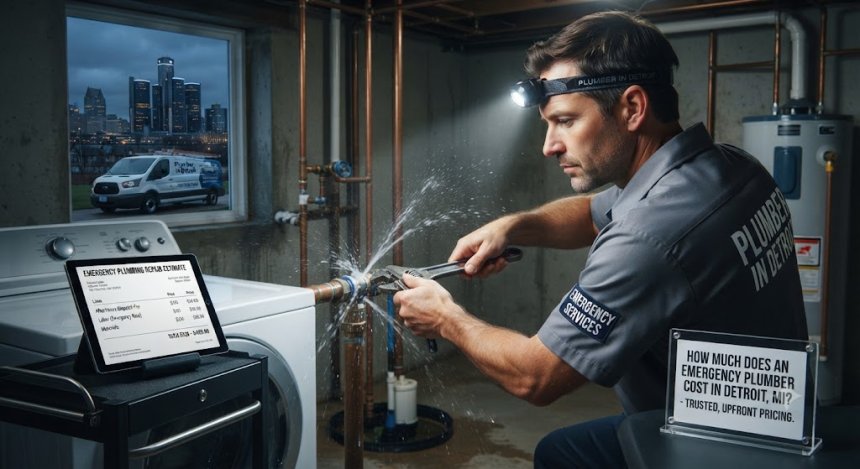
Step 3: Estimate: Providing a transparent, upfront written estimate detailing after-hours labor, emergency dispatch fees, and parts.
-
Step 4: Repair: Executing the urgent repair using professional-grade tools and code-compliant materials.
-
Step 5: Testing: Pressurizing the system or running water cycles to verify the fix holds securely under load.
-
Step 6: Cleanup: Clearing away damaged debris and assisting with water mitigation advice.
-
Step 7: Maintenance Advice: Offering personalized tips to prevent future emergency recurrences.
Can You Fix It Yourself?
While some minor plumbing hiccups are DIY-friendly, true emergencies require professional intervention.
-
Safe DIY Solutions: Immediately shutting off the main water supply valve and opening lowest-level faucets to drain the system.
-
Temporary Fixes: Applying rubber pipe repair clamps or silicone wrap tape to minor pinhole leaks while waiting for help.
-
When DIY Becomes Dangerous: Attempting to solder wet, pressurized copper lines, working near electrical hazards with standing water, or clearing main sewer blockages with heavy rental machinery.
-
When Professional Plumbing is Necessary: Any major pipe rupture, underground sewer break, gas leak, or electrical water heater failure requires certified expertise.
Tools Professionals Use
Licensed emergency plumbers arrive equipped with advanced diagnostic and repair technology to resolve issues swiftly:
-
Acoustic Leak Detectors: Pinpoint hidden water leaks behind walls or beneath concrete slabs.
-
Drain Inspection Cameras: Push-rod cameras that reveal the exact interior condition of sewer lines.
-
Hydro Jetting Machines: High-pressure water blasters that scour grease, scale, and roots from pipes instantly.
-
Pipe Freezing Kits: Allows plumbers to freeze a small section of a water line upstream to stop flow and execute solder repairs.
-
Pressure Testing Gauges: Verify system integrity before restoring normal service.
How Long Does the Repair Usually Take?
Emergency repair timelines depend on the severity and accessibility of the problem:
-
Simple Emergency Repairs (e.g., shutting off a broken supply valve or clearing an isolated backup): 1 to 2 hours.
-
Moderate Emergency Repairs (e.g., replacing a burst pipe section or repairing a failed water heater valve): 2 to 4 hours.
-
Major Emergency Repairs (e.g., excavating a broken main sewer line or extensive whole-home repiping): 1 to 3 days.
-
Emergency Response Dispatch: Arrival on-site within 60 to 90 minutes across the Detroit metro area.
Cost Factors
Emergency plumbing rates differ from standard service calls due to the immediate dispatch, after-hours nature of the work, and urgency.
-
Diagnostic Fees: Standard or after-hours service call fees to cover travel and immediate assessment.
-
After-Hours / Emergency Dispatch Premiums: Higher labor rates for nights, weekends, and holidays.
-
Parts and Materials: Cost of replacement copper, PEX, valves, or specialized fixtures.
-
Equipment Needed: Utilization of heavy machinery like hydro jetters or electronic leak detectors.
-
Accessibility of Pipes: Hard-to-reach pipes inside crawlspaces or concrete slabs require extra labor.
-
Permit Costs: Required by local municipalities for major emergency reconstructions.
-
Repair vs. Replacement: Extensive damage may necessitate replacing an entire fixture or line rather than patching.
Plumbing repair costs vary depending on the severity of the problem, accessibility, materials required, emergency service, property type, and local labor rates.
Hidden Truths Homeowners Should Know
-
Small Leaks Become Expensive Repairs: Ignoring a minor drip guarantees an eventual midnight emergency.
-
Cheap Temporary Fixes Often Fail: Duct tape and rubber patches cannot withstand long-term home water pressure.
-
Insurance May Not Cover Neglected Plumbing: Standard policies frequently reject claims resulting from deferred maintenance.
-
Tree Roots Return: Mechanical root clearing is temporary; long-term solutions require rooter foaming or trenchless lining.
-
Hard Water Shortens Lifespan: Unsoftened water scales up valves and water heaters years ahead of schedule.
-
DIY Mistakes Increase Repair Costs: Botched amateur repairs often double professional labor bills during emergencies.
-
Delaying Repairs Causes Structural Damage: Water rots wooden subfloors, studs, and drywall within hours.
-
Hidden Leaks Skyrocket Utility Bills: Unseen wall leaks waste thousands of gallons monthly.
-
Mold Develops Quickly: Toxic mold colonies take root within 24 to 48 hours in damp cavities.
-
Annual Maintenance Saves Money: Professional checkups catch failing components before catastrophic emergency failure occurs.
15 Common Mistakes Homeowners Make
-
Panic Without Shutting Off Water: Forgetting where the main shut-off valve is located during a flood.
-
Using Chemical Drain Cleaners: Corroding pipes with harsh caustic liquids that fail on severe clogs.
-
Flushing "Flushable" Wipes: Creating massive main sewer blockages.
-
Pouring Grease Down Kitchen Drains: Congealing fats that trap food debris.
-
Ignoring Water Pressure Problems: Allowing high pressure to strain plumbing joints until they burst.
-
Hiring Unlicensed Handymen: Risking code violations and uninsured workmanship during crises.
-
Skipping Annual Maintenance: Forgoing water heater flushing and valve checks.
-
Waiting Until Emergencies Strike: Putting off known slow leaks and minor issues.
-
Using Incompatible Pipe Materials: Joining galvanized steel and copper without dielectric unions.
-
Over-Tightening Plumbing Fittings: Cracking porcelain fixtures or stripping threaded connectors.
-
Not Knowing Main Shut-Off Location: Wasting precious minutes searching for valves.
-
Forgetting to Drain Outdoor Spigots: Trapping water in exterior walls before winter.
-
Ignoring Sump Pump Tests: Failing to test battery backups before heavy rainstorms.
-
Disposing Paint or Chemicals in Drains: Damaging septic systems and municipal infrastructure.
-
Failing to Request Written Estimates: Accepting ambiguous verbal quotes during stress.
Maintenance Tips
Follow these practical tips to keep your plumbing system in top shape year-round:
-
Insulate Exposed Pipes: Wrap basement and crawlspace pipes before winter freezing sets in.
-
Flush Your Water Heater: Drain sediment annually to maintain heating efficiency and tank longevity.
-
Test Sump Pumps: Pour water into the pit quarterly to ensure proper pump activation.
-
Install Strainers: Catch hair and food particles in sink and shower drains.
-
Monitor Water Pressure: Keep residential pressure below 80 PSI with a working regulator.
-
Know Your Shut-Off Valve: Tag your main water shut-off valve so all family members can find it instantly.
-
Inspect Supply Hoses: Replace flexible braided washing machine and toilet supply lines every 5 years.
-
Avoid Chemical Cleaners: Use mechanical snakes or enzymatic cleaners for slow drains.
-
Watch What You Flush: Only toilet paper and human waste belong in toilets.
-
Service Garbage Disposals: Grind ice cubes to sharpen blades and flush cold water while running.
-
Check Outdoor Spigots: Disconnect garden hoses and shut off interior supply valves before winter.
-
Clean Aerators: Unscrew faucet aerators twice a year to remove mineral scale.
-
Inspect Toilets for Silent Leaks: Drop food coloring in the tank and check the bowl without flushing.
-
Schedule Professional Inspections: Have a licensed plumber evaluate your system every couple of years.
-
Keep Trees Cleared: Plant large trees away from underground sewer lateral lines.
When Should You Call an Emergency Plumber?
Certain plumbing situations require immediate, 24/7 professional intervention:
-
Burst Pipes: Rapidly flooding your home or business interior.
-
Sewage Backups: Raw sewage emerging from floor drains or toilets, creating severe health hazards.
-
No Running Water: Total loss of water supply without municipal notice.
-
Overflowing Toilets: Uncontrollable overflow that standard shut-off valves cannot stop.
-
Major Water Leaks: Uncontrolled leaks threatening electrical panels or structural elements.
-
Gas Line Smells: (If licensed) Immediate evacuation and utility notification required for gas leaks.
Frequently Asked Questions
Why is my water pressure suddenly low?
Sudden low water pressure is often caused by a partially closed main valve, a failing pressure reducing valve (PRV), or heavy mineral buildup clogging your faucet aerators and showerheads.
How much does leak detection cost?
Leak detection costs vary based on the complexity of the job and whether acoustic, thermal imaging, or pressure testing equipment is required to locate hidden leaks accurately.
Can a clogged drain damage pipes?
Yes. Standing pressure, corrosive organic waste, and harsh chemical drain cleaners can crack, weaken, or rupture older pipe walls over time.
Is hydro jetting safe for old pipes?
Hydro jetting requires professional evaluation; while excellent for durable lines, high-pressure water can damage fragile, heavily corroded, or root-damaged historic pipes.
How do I know if my sewer line is broken?
Common signs include multiple clogged fixtures simultaneously, sewage backing up into floor drains, foul odors in the yard, and lush green patches above the underground sewer line.
How long do water heaters last?
Standard tank water heaters typically last between 8 to 12 years, while tankless water heaters can operate efficiently for 20 years or more with proper annual flushing.
Why does my faucet drip?
A dripping faucet is usually caused by a worn-out rubber washer, O-ring, or degraded valve cartridge inside the handle assembly.
What causes pipes to burst?
Pipes burst most frequently when water inside them freezes, expands, and exerts immense outward pressure on the pipe walls during sub-freezing weather.
Can plumbing leaks increase my water bill?
Absolutely. Even a slow toilet leak or minor pipe drip can waste hundreds of gallons of water daily, reflecting dramatically higher utility bills.
When should I replace plumbing instead of repairing it?
If your plumbing system experiences frequent leaks, features outdated lead, galvanized, or polybutylene materials, or shows widespread corrosion, a full repipe is more cost-effective than endless spot repairs.
Why Choose Plumber in Detroit
When an unexpected plumbing emergency strikes your Detroit home or business, you need a trusted team ready to respond instantly. Here is why property owners across Wayne County rely on Plumber in Detroit:
-
Experienced Licensed Plumbers: Highly trained professionals equipped to handle high-stress residential and commercial emergencies.
-
Honest Recommendations: Straightforward advice focused on lasting safety rather than temporary patch-ups.
-
Upfront Estimates: Clear, transparent pricing provided before any repair work begins.
-
Fast Response Times: Rapid emergency dispatch across Detroit and surrounding neighborhoods.
-
Emergency Availability: Ready 24/7 when urgent plumbing crises strike day or night.
-
Quality Workmanship: Strict adherence to local Michigan plumbing codes and industry best practices.
-
Modern Equipment: Utilizing advanced leak detection, hydro jetting, and diagnostic technology.
-
Customer Satisfaction: Dedicated to exceptional service, clear communication, and a respected local reputation.
Contact Plumber in Detroit today at