Expert Plumbing Services in Detroit | Plumber in Detroit
Looking for a reliable plumber in Detroit? Get expert plumbing repair, leak detection, and emergency services. Call Plumber in Detroit today!

NEED A PLUMBER?
Fast & Local Plumbing Services
Leaks • Clogged Drains • Burst Pipes • Water Heaters • Emergency Plumbing
NEED A PLUMBER?
Fast & Local Plumbing Services
Leaks • Clogged Drains • Burst Pipes • Water Heaters • Emergency Plumbing
Complete Homeowner's Guide to Plumbing Services in Detroit: Repair, Maintenance, and Hiring Tips
Plumbing issues rarely happen at a convenient time. Whether you are dealing with a slow drain in a historic Corktown home, a burst pipe during a freezing Detroit winter freeze, or fluctuating water pressure in a Midtown commercial property, plumbing failures cause instant stress. Homeowners and business owners across Wayne County face unique challenges due to aging infrastructure, seasonal temperature swings, and mineral-heavy municipal water. Understanding how your plumbing system works, recognizing early warning signs, and knowing when to call a professional can save you thousands of dollars in water damage and repair bills.
At Plumber in Detroit, we believe that an educated property owner makes the best decisions for their home or business. This comprehensive guide covers everything you need to know about diagnosing plumbing problems, practical DIY limits, professional repair procedures, and how to select the right licensed plumbing expert in Detroit, Michigan, and surrounding neighborhoods like Dearborn, Hamtramck, and Highland Park.
What Is Professional Plumbing Repair?
Professional plumbing repair encompasses the diagnosis, maintenance, replacement, and installation of pipes, fixtures, valves, and appliances connected to a building's water supply and drainage systems.
Common situations requiring professional intervention include supply line leaks, backed-up sewer mains, malfunctioning water heaters, running toilets, and failing sump pumps. Symptoms range from annoying gurgling sounds in drain pipes to catastrophic basement flooding. For example, when a main sewer line accumulates grease and tree root intrusion, toilets on the lower level begin to bubble and back up whenever laundry is run. Recognizing these symptoms early prevents minor inconveniences from turning into major structural disasters.
Why Does This Plumbing Problem Happen?
Plumbing problems rarely occur without a root cause. Across the Detroit metropolitan area, specific environmental and structural factors contribute to frequent plumbing failures.
-
Aging Infrastructure: Many homes in Detroit feature galvanized steel or cast-iron pipes installed decades ago, which degrade from the inside out.
-
Corrosion: Chemical reactions between minerals in the water and metal pipe walls create pinhole leaks, particularly in copper joints.
-
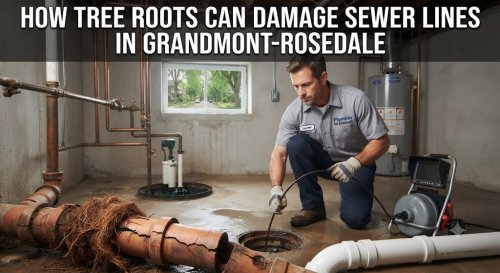
Tree Roots: Aggressive tree roots seek out microscopic cracks in underground sewer lines, invading joints and causing severe blockages.
-
Hard Water: High mineral content leaves scale deposits inside water heaters, valves, and aerators, drastically reducing fixture lifespans.
-
High Water Pressure: Municipal water pressure exceeding 80 PSI puts constant stress on residential supply lines and water heater tanks.
-
Improper Installation: DIY shortcuts or unlicensed installations often lead to misaligned fittings, inadequate pipe slope, and joint failures.
-
Seasonal Weather: Sub-zero winter temperatures in Michigan cause uninsulated pipes in crawlspaces and exterior walls to freeze and rupture.
-
Clogs and Misuse: Flushing non-flushable wipes, feminine hygiene products, or pouring grease down kitchen sinks builds dense blockages over time.
Signs You Should Never Ignore
Ignoring minor plumbing symptoms is the fastest way to turn a $150 repair into a $5,000 restoration project. Watch for these critical warning signs:
-
Water Stains: Discolored patches on ceilings or walls indicate active, hidden leaks behind drywall or above living spaces.
-
Slow Drains: When multiple fixtures drain slowly simultaneously, it points to a blocked main sewer line rather than a localized clog.
-
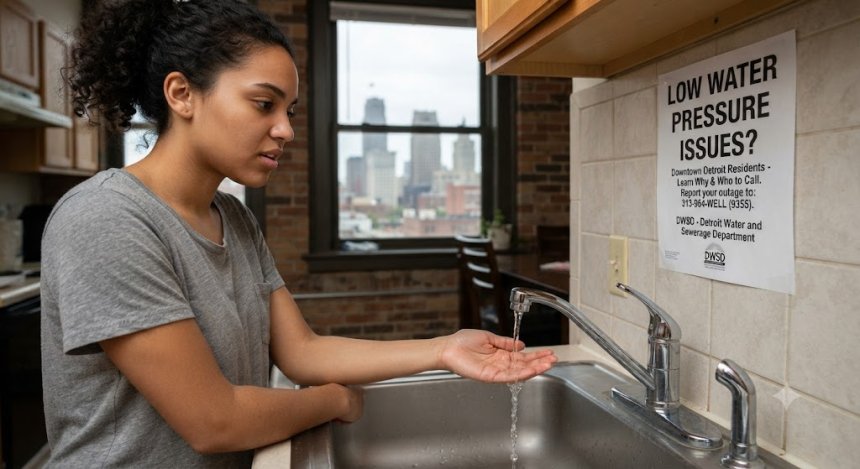
Low Water Pressure: Mineral buildup in aerators or a major underground supply leak restricts water flow throughout the house.
-
High Water Bills: An unexplained spike in your municipal water bill usually indicates a silent toilet leak or a slab leak.
-
Damp Walls or Flooring: Soft drywall, buckling hardwood, or damp basement carpeting signals persistent moisture intrusion.
-
Mold Growth: Musty odors and visible mold colonies thrive where leaking pipes create chronic humidity.
-
Strange Noises: Banging pipes (water hammer) or whistling sounds indicate loose brackets or excessive water pressure.
-
Bad Smells: Sewer gas odors escaping from dry floor drains signal broken wax rings or venting failures.
Common Plumbing Problems Related to This Issue
Plumbing networks are interconnected systems where one failure frequently triggers another.
-
Pipe Leaks: Unaddressed pinhole leaks weaken framing studs and invite mold growth.
-
Drain Clogs: Severe hair, soap scum, and grease blockages cause standing water in sinks and tubs.
-
Sewer Backups: Main line failures force raw sewage back up through basement floor drains.
-
Water Heater Failures: Sediment buildup corrodes tank walls, leading to sudden tank ruptures.
-
Burst Pipes: Freezing temperatures split metal and PVC supply lines, flooding interiors within minutes.
-
Slab Leaks: Corroded copper pipes beneath concrete foundations erode soil stability and crack flooring.
Step-by-Step Professional Repair Process
When you hire a licensed plumber from Plumber in Detroit, you can expect a structured, transparent process designed to solve the root problem efficiently.
-
Step 1: Inspection: The technician visually inspects the affected area and utilizes specialized diagnostic tools to locate the exact source of trouble.
-
Step 2: Diagnosis: The plumber explains the mechanical failure, distinguishes between symptoms and root causes, and discusses options.
-
Step 3: Estimate: You receive an upfront, transparent cost estimate detailing parts, labor, and expected timelines before work begins.
-
Step 4: Repair: Using commercial-grade tools and compliant materials, the plumber executes the repair or replacement.
-
Step 5: Testing: The system is pressurized and tested for leaks, proper drainage, and optimal flow rates.
-
Step 6: Cleanup: The work area is thoroughly sanitized and restored to its original condition.
-
Step 7: Maintenance Advice: The technician provides customized tips to prevent future occurrences of the same issue.
Can You Fix It Yourself?
Homeowners often wonder where the line is between a safe DIY weekend project and a hazardous plumbing emergency.
Safe DIY solutions include plunging a single-fixture toilet clog, clearing a bathroom sink pop-up stopper hairball, replacing a worn-out faucet aerator, or applying Teflon tape to a loose showerhead connection. Temporary fixes like wrapping a pinhole pipe leak with a rubber repair clamp can buy you time until a professional arrives.
However, DIY becomes dangerous when dealing with gas lines, main water shut-off valves, electrical water heater elements, or sewer excavations. Overtightening PVC or copper fittings frequently snaps threaded connectors, while chemical drain cleaners can eat through old metal pipes and cause severe skin burns. When in doubt, call a licensed professional to ensure safety and code compliance.
Tools Professionals Use
Professional plumbers rely on advanced diagnostic and repair technology that far exceeds standard homeowner toolboxes.
-
Drain Cameras: Waterproof fiber-optic cameras inserted into pipes to visually identify cracks, root intrusions, and collapsed lines.
-
Leak Detection Equipment: Electronic acoustic listening devices and thermal imaging cameras that pinpoint hidden leaks beneath concrete and behind walls.
-
Hydro Jetting: High-pressure water stream units that scour grease, scale, and roots completely out of sewer lines.
-
Pipe Locators: Radio transmitters paired with surface receivers to trace the exact depth and path of underground pipes.
-
Pressure Testing Gauges: Precision tools used to measure static water pressure and identify hidden pressure drops.
-
Trenchless Equipment: Hydraulic pipe bursting and lining systems that rehabilitate damaged sewer lines without tearing up your lawn or driveway.
How Long Does the Repair Usually Take?
Plumbing repair timelines vary based on the complexity of the job, accessibility, and the condition of existing pipes.
-
Simple Repairs: Fixing a running toilet, replacing a faucet cartridge, or clearing a standard sink trap takes 1 to 2 hours.
-
Moderate Repairs: Replacing a garbage disposal, repairing a section of supply pipe, or swapping out a sump pump takes 2 to 4 hours.
-
Major Repairs: Replacing a water heater, repiping a bathroom, or repairing a main sewer line takes 1 to 2 days.
-
Emergency Repairs: Emergency shut-offs and temporary bypasses can be established within 1 to 2 hours of arrival, with permanent restoration following shortly after.
Cost Factors
Understanding what drives plumbing costs helps you budget effectively for maintenance and repairs.
-
Diagnostic Fees: The time and expertise required to locate hidden problems.
-
Parts and Materials: Quality commercial-grade brass, copper, or PEX materials cost more upfront but last significantly longer than cheap alternatives.
-
Labor Rates: Hourly or flat-rate pricing based on trade certification and licensing.
-
Emergency Service Charges: After-hours, holiday, or weekend dispatch fees for urgent problems.
-
Equipment Needed: Specialized usage fees for hydro jetters, camera snakes, or leak detection gear.
-
Permit Costs: Local municipal permit fees required for major plumbing overhauls or water heater replacements.
-
Replacement vs. Repair: Choosing to replace an aging unit entirely rather than repeatedly repairing failing components.
-
Accessibility: Crawlspaces, finished basements, and tight wall cavities increase labor time.
Plumbing repair costs vary depending on the severity of the problem, accessibility, materials required, emergency service, property type, and local labor rates.
Hidden Truths Homeowners Should Know
-
Small leaks left unaddressed quickly escalate into expensive structural repairs and framing rot.
-
Cheap temporary fixes like duct tape or patch compounds routinely fail under continuous water pressure.
-
Homeowners insurance policies frequently deny coverage for water damage resulting from long-term, neglected plumbing leaks.
-
Tree roots will repeatedly invade sewer lines until damaged joints are permanently sealed or replaced.
-
Municipal hard water accelerates scale buildup, significantly shortening the lifespan of fixtures and appliances.
-
DIY plumbing mistakes often invalidate manufacturer warranties and increase ultimate professional repair costs.
-
Delaying minor repairs causes secondary issues like toxic mold growth and compromised subflooring.
-
Hidden leaks behind walls or under slabs drive up monthly utility bills without any visible interior puddles.
-
Annual plumbing maintenance catches failing components before they turn into midnight emergencies.
15 Common Mistakes Homeowners Make
-
Ignoring Leaks: Brushing off a slow drip wastes thousands of gallons and invites mold.
-
Using Chemical Drain Cleaners: Pouring harsh caustic liquids corrodes metal pipe walls.
-
Flushing Wipes: Flushing "flushable" wet wipes causes massive sewer blockages.
-
Pouring Grease Down Drains: Liquid grease solidifies in cold pipes, trapping debris.
-
Ignoring Water Pressure: High pressure destroys appliance valves and water heater tanks.
-
Hiring Unlicensed Plumbers: Uninsured handymen often leave behind non-compliant work.
-
Skipping Annual Maintenance: Neglecting water heater flushing and valve checks.
-
Waiting Until Emergencies: Postponing repairs until a pipe bursts or basement floods.
-
Using Wrong Pipe Materials: Mixing galvanized steel and copper causes galvanic corrosion.
-
Over-tightening Fittings: Cracking porcelain fixtures or stripping threaded brass connectors.
-
Failing to Locate Main Shutoff: Panicking during a leak because nobody knows where the main water valve is.
-
Forgetting Outdoor Spigots: Leaving garden hoses attached during freezing winter weather.
-
Overloading Garbage Disposals: Stuffing fibrous vegetables and bones down disposal units.
-
Neglecting Sump Pumps: Failing to test battery backups before heavy spring rainstorms.
-
Ignoring Slow Drains: Waiting until a drain completely clogs before taking action.
Maintenance Tips
-
Flush your water heater tank once a year to remove sediment and extend tank life.
-
Test your sump pump quarterly by pouring a bucket of water into the pit to verify float switch operation.
-
Insulate exposed pipes in unheated crawlspaces, garages, and exterior walls before winter temperatures drop.
-
Install mesh hair catchers in all shower and tub drains to prevent clogs.
-
Never pour cooking oil, grease, or coffee grounds down kitchen sink drains.
-
Know the exact location of your main water shut-off valve and ensure every adult in the home knows how to operate it.
-
Check under all kitchen and bathroom sinks monthly for dampness, rust spots, or slow drips.
-
Test your home water pressure with a gauge; install a pressure-reducing valve if readings exceed 80 PSI.
-
Clean aerators on bathroom and kitchen faucets annually to remove mineral scale and restore flow.
-
Inspect washing machine supply hoses for bulging, cracking, or fraying every six months; replace braided steel lines every 5 years.
-
Disconnect garden hoses from exterior hose bibs before the first hard freeze in Detroit.
-
Avoid using chemical drain openers; opt for mechanical snakes or professional hydro jetting instead.
-
Schedule a professional camera inspection of your sewer line every 3 to 5 years, especially in neighborhoods with mature trees.
-
Keep cleanout plugs accessible and never build permanent flooring over sewer access points.
-
Address running toilets immediately by replacing worn flapper valves inside the tank.
When Should You Call an Emergency Plumber?
Certain plumbing failures require immediate, 24/7 professional intervention to prevent severe property destruction.
-
Burst Pipes: Water gushing from a split pipe requires shutting off the main valve and calling an emergency plumber immediately.
-
Sewage Backup: Raw sewage pooling in basement floor drains presents serious biological health hazards.
-
No Running Water: Total water loss without municipal notification points to a catastrophic supply line failure.
-
Overflowing Toilet: A toilet that refuses to stop running or overflowing threatens flooring and subfloor integrity.
-
Gas Line Concerns: If you smell sulfur or rotten eggs near a gas water heater, evacuate immediately and call professionals.
-
Major Water Leaks: Uncontrolled leaks behind walls or ceilings that threaten electrical panels and light fixtures.
Frequently Asked Questions
Why is my water pressure suddenly low? Sudden low water pressure is typically caused by a partially closed main shut-off valve, a clogged faucet aerator, or a hidden supply pipe leak. If it affects the whole house, contact a professional to check your pressure regulator.
How much does leak detection cost? Leak detection costs vary based on the property layout and whether electronic acoustic equipment or thermal imaging is required to find hidden slab or wall leaks.
Can a clogged drain damage pipes? Yes. Persistent clogs increase internal pipe pressure, and chemical drain cleaners generate heat that softens PVC and corrodes metal joints.
Is hydro jetting safe for old pipes? A licensed plumber must perform a camera inspection first. If cast-iron or clay pipes are severely degraded or cracked, hydro jetting can cause further damage; otherwise, it is the safest cleaning method.
How do I know if my sewer line is broken? Frequent backups across multiple lower-level fixtures, foul odors in the yard, soggy lawn patches, and gurgling toilets are primary indicators of a broken sewer line.
How long do water heaters last? Traditional tank water heaters typically last between 8 to 12 years, while tankless water heaters can last 15 to 20 years with proper annual flushing.
Why does my faucet drip? A dripping faucet is usually caused by a worn-out rubber washer, O-ring, or ceramic cartridge inside the valve assembly.
What causes pipes to burst? Water expands by about 9% when it freezes. When uninsulated pipes freeze in winter, the trapped ice creates immense pressure that splits metal or plastic pipe walls.
Can plumbing leaks increase my water bill? Absolutely. Even a small silent toilet leak can waste hundreds of gallons of water per day, causing a dramatic spike in your monthly municipal bill.
When should I replace plumbing instead of repairing it? If your home has outdated galvanized steel pipes, frequent pinhole leaks, or corroded cast-iron sewer lines, whole-house repiping is more cost-effective than continuous piecemeal repairs.
Why Choose Our Plumbing Company
When you partner with Plumber in Detroit, you gain a dedicated team committed to honesty, transparency, and superior craftsmanship.
-
Experienced Licensed Plumbers: Fully certified technicians equipped to handle complex residential and commercial plumbing systems.
-
Honest Recommendations: We diagnose the root cause and provide straightforward solutions without high-pressure sales tactics.
-
Upfront Estimates: Transparent, detailed pricing before any work begins so there are never surprise fees.
-
Fast Response: Prompt dispatching across Detroit and surrounding Wayne County neighborhoods.
-
Emergency Availability: 24/7 emergency plumbing services when disasters strike outside normal business hours.
-
Quality Workmanship: Adherence to strict plumbing codes and industry best practices on every job.
-
Modern Equipment: Utilization of advanced camera inspection, hydro jetting, and electronic leak detection technology.
-
Local Expertise: Deep understanding of Detroit's historic infrastructure, local water conditions, and winter weather challenges.