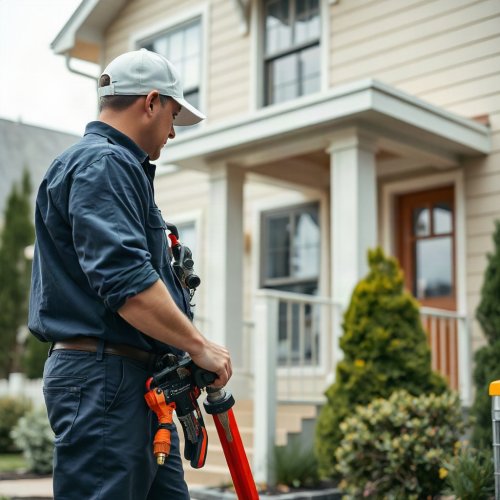
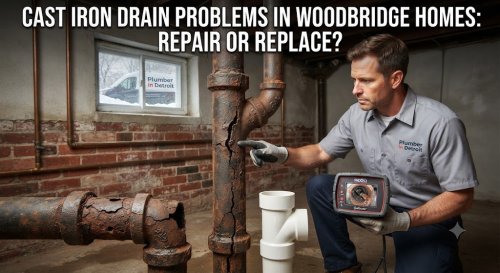
Diagnosing Low Water Pressure in Older Detroit Homes: Causes & Fixes
Struggling with low water pressure in an older Detroit home? Learn the common causes—from corroded galvanized pipes to municipal issues—and how to address them.


NEED A PLUMBER?
Fast & Local Plumbing Services
Leaks • Clogged Drains • Burst Pipes • Water Heaters • Emergency Plumbing
NEED A PLUMBER?
Fast & Local Plumbing Services
Leaks • Clogged Drains • Burst Pipes • Water Heaters • Emergency Plumbing
Living in Detroit means appreciating incredible architectural history, from historic foursquares in Boston-Edison to charming bungalows in East English Village. However, owning a piece of Detroit's rich architectural past often comes with a distinct set of plumbing quirks. One of the most common frustrations reported by local homeowners is a sudden or gradual drop in water flow throughout the house.
When you turn on the shower and get a weak trickle, or notice your kitchen faucet takes forever to fill a pot, it is more than just an annoyance. In vintage Detroit residential plumbing, low water pressure is usually a symptom of an underlying mechanical or structural problem that requires systematic troubleshooting.
Recognizing the Pattern of Low Water Pressure
The first step in diagnosing pressure issues in an older Detroit property is figuring out whether the problem is isolated or whole-house. Plumbers look closely at how multiple fixtures behave:
- Single-fixture issues: If only one sink or shower has weak pressure, the issue is typically localized to that specific aerator, showerhead, or supply line shut-off valve.
- Hot water only: If cold water flows strongly but hot water is weak, the restriction is usually inside the water heater inlet/outlet or a failing shut-off valve connected to the tank.
- Whole-house issues: If every tap, shower, and appliance struggles simultaneously, the restriction is happening at the main service entry, the pressure regulator, or within the primary home distribution lines.
Common Culprits in Historic Detroit Properties
Older homes in Detroit feature piping materials and layouts that modern construction has largely abandoned. Understanding these materials helps pinpoint why pressure fades over decades of use.
1. Corroded Galvanized Steel Pipes
Many homes built in Detroit before the mid-20th century were originally plumbed with galvanized steel supply pipes. Over 60, 70, or 80 years of exposure to mineral-rich water, the interior walls of these pipes accumulate rust and scale buildup. This corrosion narrows the internal diameter of the pipe like cholesterol clogging an artery, severely restricting water volume and pressure. If your historic Detroit home still has visible galvanized piping, this interior choking is the most probable cause of chronic low pressure.
2. Aging Main Water Shut-Off Valves and Pressure Regulators
The main water shut-off valve where municipal water enters your basement can fail internally over time, especially older gate valves. If the gate inside the valve becomes misaligned or fails to open completely, it acts as a permanent bottleneck. Additionally, many homes utilize a pressure reducing valve (PRV) to manage high municipal pressures. When a PRV fails, it often defaults to a closed position, choking water flow down to a frustrating trickle.
3. Municipal Supply Fluctuations and Aging Infrastructure
Detroit's extensive municipal water infrastructure undergoes routine maintenance, seasonal shifts, and occasional main repairs. Sometimes, temporary drops in neighborhood-wide pressure originate from the street side. If your neighbors are experiencing similar sudden drops, or if local street work is underway, the issue may stem from the municipal supply rather than your interior plumbing system.
Troubleshooting Steps for Homeowners
Before calling for professional Detroit plumbing services, you can safely perform a few basic checks to narrow down the source of the problem:
- Check the main shut-off: Ensure your main water meter valve is fully open. Sometimes a valve gets partially bumped during basement storage organization.
- Inspect aerators: Unscrew the small mesh screens at the tip of your bathroom and kitchen faucets. Hard water mineral deposits (scale) frequently clog these screens, mimicking low water pressure. Soak them in white vinegar to clear the blockage.
- Talk to neighbors: Ask houses immediately to your left and right if they notice any pressure drops to determine if it is a municipal supply event.
When to Call a Professional Plumber in Detroit
If aerators are clean, your main valve is fully open, and the issue persists across multiple floors, it is time to consult an experienced Detroit plumber. Dealing with aging infrastructure like corroded galvanized risers, failing main lines, or seized pressure regulators requires specialized tools, pipe-threading equipment, and knowledge of local Detroit building codes.
Upgrading outdated segments of supply piping to modern copper or PEX tubing not only restores strong, reliable pressure but also protects your property from the risk of sudden pipe failure. Addressing low water pressure systematically ensures your historic home functions efficiently for years to come.
Frequently Asked Questions
Can a water heater cause low water pressure in only some rooms?
Yes. If sediment builds up inside the water heater tank or blocks the hot water outlet nipple, it can restrict hot water flow to distant bathrooms while leaving cold water pressure unaffected.
Why is my water pressure lower in the winter in Detroit?
While freezing temperatures typically cause burst pipes rather than pressure drops, partial freezing in uninsulated basement walls or crawlspaces can restrict water flow. Additionally, municipal infrastructure adjustments during seasonal shifts can occasionally influence pressure.
Is low water pressure a sign of a hidden water leak?
Occasionally, yes. If a hidden supply pipe cracks behind a wall or under a concrete basement slab, water escapes continuously, which can drop the overall dynamic pressure throughout the rest of your home plumbing system. Check your water meter when all fixtures are off to see if the leak indicator dial is spinning.