How to Thaw Frozen Pipes Safely in Detroit Homes
Learn safe, professional methods for thawing frozen pipes in Detroit homes before they burst during freezing Michigan winters. Practical tips from a local plumber.

NEED A PLUMBER?
Fast & Local Plumbing Services
Leaks • Clogged Drains • Burst Pipes • Water Heaters • Emergency Plumbing
NEED A PLUMBER?
Fast & Local Plumbing Services
Leaks • Clogged Drains • Burst Pipes • Water Heaters • Emergency Plumbing
Dealing with Frozen Pipes in Detroit Winters
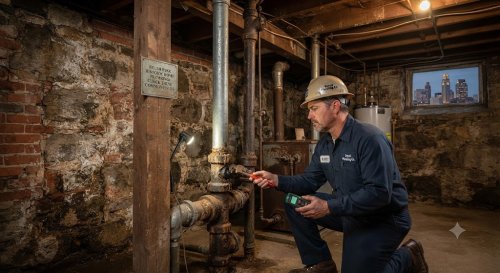
Winter in Detroit brings freezing temperatures that can quickly impact residential plumbing systems. When water turns to ice inside a supply line, it expands and exerts immense pressure on the pipe walls. Knowing how to thaw frozen pipes safely can mean the difference between a minor winter inconvenience and a major indoor flood caused by a burst pipe.
As an experienced plumber working throughout Detroit, I frequently receive emergency calls as soon as severe cold snaps hit neighborhoods from Palmer Woods to Mexicantown. Understanding how to locate the frozen section, apply heat safely, and prevent further damage is essential for local homeowners facing sub-zero weather.
Identifying Where the Pipe Is Frozen
Before attempting any thawing method, you need to find out which pipe is affected. Turn on the faucets connected to your plumbing system to see which fixtures have reduced flow or no water at all.
- Check Exterior Walls: Pipes running along outer walls or in uninsulated crawlspaces freeze first because they are most exposed to Detroit's harsh winter winds.
- Inspect Basements and Utility Rooms: Unheated basements or utility areas near basement windows often drop below freezing, putting exposed copper or PEX lines at risk.
- Trace the Line: Feel the temperature of exposed pipes by hand. A frozen section of pipe will often feel noticeably colder than the rest, and you might even see frost or a slight bulge on the exterior.
Safe Methods for Thawing Frozen Water Pipes
If you catch a frozen pipe before it splits, you can take action to melt the ice plug gradually. Safety is paramount—never rush the process or use hazardous tools.
Using Warm Air
Using a standard household hair dryer or a portable space heater is one of the safest ways to thaw a frozen pipe. Start by opening the faucet supplied by the frozen pipe so melted water and steam can escape as the ice thaws. Direct warm air at the frozen section, beginning closest to the faucet and working your way back toward the cold supply source.
Applying Warm Towels
Another reliable method involves wrapping the frozen section of the pipe in towels soaked in hot water. Replace the towels frequently as they cool down. This transfers heat gently to the pipe without introducing open flames or excessive electrical hazards.
Dangerous Practices to Avoid
When dealing with frozen pipes under stress, DIY attempts can easily cause catastrophic damage or personal injury. Keep the following warnings in mind:
- Never Use Open Flames: Propane torches, blowtorches, and heat guns can instantly overheat metal or plastic pipes, causing them to rupture violently or ignite nearby framing materials.
- Avoid Unrated Electrical Devices: Do not wrap heating pads tightly around metal pipes unless they are specifically rated for plumbing applications, and never use electrical appliances standing in puddles of water.
- Do Not Force Thawing: Trying to hammer or bend a frozen pipe to break the ice will almost always crack the material.
Signs That a Pipe Has Already Burst
Sometimes a pipe has already split before you notice it is frozen. As the ice inside begins to thaw, water will escape through the fracture. Watch closely for these warning signs during the thawing process:
If water begins spraying or leaking heavily as the ice melts, immediately shut off your home's main water shut-off valve. In Detroit homes, this valve is typically located in the basement or crawlspace near the front foundation wall where the municipal water service enters the property. Keep the valve location marked and accessible before winter arrives so you can act instantly in an emergency.
Preventing Future Freezes in Detroit Properties
Once your pipes are successfully thawed, take proactive steps to ensure they do not freeze again during the next cold wave:
- Improve Insulation: Wrap vulnerable pipes in unheated areas with foam pipe insulation sleeves. Seal any drafts or cracks in exterior walls near plumbing runs.
- Maintain Consistent Heat: Keep your thermostat set to a consistent temperature, even if you travel away from your Detroit home during the winter months. Do not let indoor temperatures drop below 55 degrees Fahrenheit.
- Allow a Trickle: During extreme cold warnings, let indoor faucets drip slightly to keep water moving continuously through the system, which prevents ice crystals from forming.
Frequently Asked Questions
How long does it take to thaw a frozen pipe?
The time required depends on the length of the frozen section, the ambient temperature around the pipe, and the material. It can take anywhere from 30 minutes to several hours of continuous, gentle heating.
Should I keep my faucet open while thawing a pipe?
Yes. Always open the affected faucet before you begin applying heat. This relieves pressure as the ice melts and lets you know the exact moment the blockage clears.
What should I do if the frozen pipe is located inside a wall?
If the frozen pipe is hidden behind drywall or masonry and cannot be reached with a hair dryer or warm towels, contact a licensed professional plumber in Detroit who has specialized thermal imaging and pipe-thawing equipment.