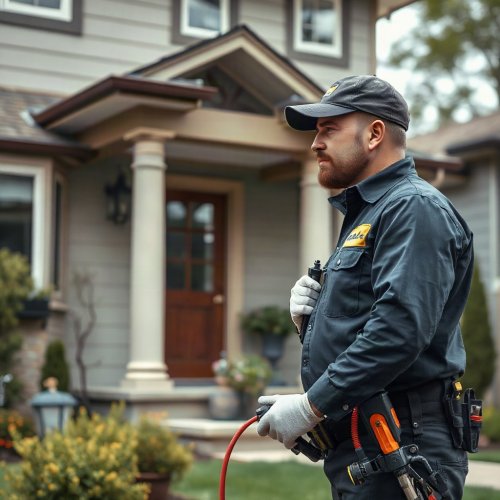
What to Do When Your Detroit Basement Starts Flooding
Learn what to do when your Detroit basement floods. Discover common causes like sump pump failure, warning signs, temporary fixes, and emergency plumbers.


NEED A PLUMBER?
Fast & Local Plumbing Services
Leaks • Clogged Drains • Burst Pipes • Water Heaters • Emergency Plumbing
NEED A PLUMBER?
Fast & Local Plumbing Services
Leaks • Clogged Drains • Burst Pipes • Water Heaters • Emergency Plumbing
What to Do When Your Detroit Basement Starts Flooding
Introduction
Walking down your basement stairs only to step into standing water is every property owner's worst nightmare. When a residential or commercial space begins taking on water, it triggers instant panic about ruined belongings, electrical hazards, and expensive structural repairs. Property owners across Detroit, MI, from historic neighborhoods like Corktown and Boston-Edison to modern builds throughout Wayne County, frequently search for guidance when faced with sudden basement water intrusion.
Local properties face distinct environmental and infrastructural challenges, including heavy seasonal rainstorms, rapid spring snowmelts, and aging municipal sewer systems. Knowing how to respond safely, understanding why basement flooding occurs, and knowing when to call a professional ensures your property remains protected and secure.
What Is a Basement Flooding Emergency?
A basement flooding emergency is an urgent plumbing and water intrusion event where excess water accumulates uncontrollably across subterranean living spaces, utility rooms, or storage areas.
Common Situations
-
Sump Pump Failure: A primary sump pump failing during a severe Detroit downpour, allowing water to overwhelm the collection basin and flood the floor.
-
Main Sewer Backups: Municipal or private sewer lines becoming blocked, forcing raw wastewater backward through basement floor drains.
-
Burst Water Heaters or Supply Pipes: Internal plumbing ruptures spraying pressurized water across the basement unchecked.
Symptoms & Triggers
Triggers often include severe weather storms, power outages during heavy rains, or failed foundation drainage. Symptoms range from a damp, earthy smell and wet carpet edges to several inches of standing water pooling around appliances.
Why Does This Plumbing Problem Happen?
Basement flooding rarely occurs without a specific mechanical failure, drainage block, or weather event. The primary reasons include:
-
Sump Pump Overloads or Failures: Mechanical wear, float switch jams, or power outages during storms stop sump pumps from clearing incoming groundwater.
-
Main Sewer Blockages and Backups: Roots, grease, or collapsed sewer lines prevent wastewater from exiting the property, causing it to push up through basement drains.
-
Foundation Cracks and Seepage: Hydrostatic pressure from saturated soil forces water inward through hairline cracks in concrete basement walls and floors.
-
Burst or Frozen Pipes: Uninsulated basement pipes freezing during harsh Detroit winters and splitting open when thawed.
Practical Example: In a home in Palmer Woods, heavy spring rains saturate the clay soil surrounding the foundation, overwhelming an aging sump pump that lacks a battery backup system, resulting in rapid basement flooding.
Signs You Should Never Ignore
Recognizing warning signs early can prevent minor moisture issues from turning into major flood disasters:
-
Musty Odors and Damp Walls: Persistent earthy smells and dark water stains on lower foundation walls indicating chronic seepage.
-
Slow Draining Floor Drains: Utility floor drains that gurgle or drain sluggishly when washing machines empty.
-
Sump Pump Cycling Constantly: A pump that runs continuously or makes strange grinding noises, pointing to impending motor failure.
-
Cracked Foundation Concrete: New or widening cracks in basement walls letting in moisture during rainstorms.
-
Efflorescence: A white, powdery mineral deposit forming on concrete block walls caused by water evaporating through masonry.
Why each sign matters: Ignoring these early warnings leaves your home vulnerable to sudden catastrophic flooding and extensive structural water damage.
Common Plumbing Problems Related to This Issue
Basement flooding frequently coincides with or triggers related home plumbing complications:
-
Drain Clogs: Secondary blockages forming in laundry and utility lines due to backed-up water.
-
Water Heater Failures: Standing water short-circuiting electrical components or corroding the base of water heater tanks.
-
Burst Pipes: Freezing temperatures rupturing supply lines running along exterior basement walls.
-
Slab Leaks: Water saturation undermining concrete subfloors and causing foundational shifting.
Step-by-Step Professional Repair Process
When you call a licensed plumbing team in Detroit to handle a basement flooding emergency, they follow a rigorous, systematic workflow:
-
Step 1: Inspection: The plumber assesses the volume of water, evaluates safety hazards, and pinpoints the primary source of the flood.
-
Step 2: Diagnosis: Utilizing diagnostic tools like moisture meters and sewer cameras to determine if the issue stems from a pump failure, pipe burst, or sewer backup.
-
Step 3: Estimate: Presenting a transparent, written quote outlining the exact repair, replacement, or drainage installation required.
-
Step 4: Repair or Replacement: Fixing broken pipes, clearing sewer lines, or installing new high-capacity sump pump systems with battery backups.
-
Step 5: Testing: Running thorough flow tests and pump cycle checks to guarantee proper drainage functionality.
-
Step 6: Cleanup: Clearing debris, sanitizing affected floor areas, and helping restore a safe environment.
-
Step 7: Maintenance Advice: Offering personalized guidance on how to prevent future basement water intrusions.
Can You Fix It Yourself?
Homeowners can tackle basic preventive steps, but active flooding events require careful caution and often professional intervention.
-
Safe DIY Solutions:
-
Clearing Surface Debris: Removing stored items away from standing water to prevent permanent damage.
-
Checking Sump Pump Outlets: Ensuring discharge pipes outside the home are unblocked and running far away from the foundation.
-
-
Temporary Fixes:
-
Shutting off the main water supply valve immediately if the flood is caused by an internal pipe burst.
-
Plugging in a portable wet-dry vacuum if water levels are very low and electrical safety is assured.
-
-
When DIY Becomes Dangerous:
-
Standing in Water Near Electricity: Entering a flooded basement without shutting off the main electrical breaker risks fatal electrocution.
-
Handling Raw Sewage: Attempting to clean up raw sewage backups without proper protective gear exposes occupants to severe biological pathogens.
-
-
When Professional Plumbing is Necessary:
-
Submersible pump failures during major storms.
-
Main sewer line backups forcing wastewater into the home.
-
Structural foundation leaks requiring professional drainage solutions.
-
Tools Professionals Use
Licensed plumbers rely on specialized equipment to resolve basement flooding and prevent recurrence:
-
Submersible Trash Pumps: Heavy-duty pumps designed to rapidly clear high volumes of standing water and debris from basements.
-
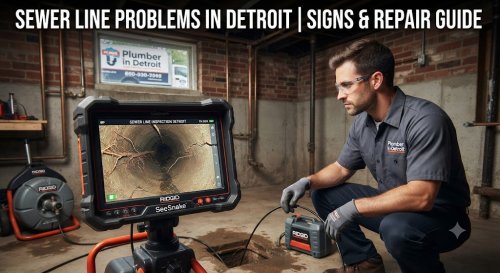
Drain Inspection Cameras: Waterproof fiber-optic scopes used to examine underground sewer lines for blocks or breaks.
-
Hydro Jetting Systems: High-pressure water scouring units that eliminate stubborn sewer blockages causing backups.
-
Electronic Moisture Meters: Precision tools used to test drywall, framing, and concrete saturation levels.
-
Pipe Locators: Radio-frequency devices used to trace hidden drainage paths beneath concrete floors.
How Long Does the Repair Usually Take?
Repair and stabilization timelines depend heavily on the scale of the water intrusion:
-
Sump Pump Replacement: 1 to 2 hours.
-
Clearing Main Sewer Line Backups: 2 to 4 hours.
-
Fixing Burst Supply Pipes: 1 to 3 hours.
-
Major Drainage System Overhauls: 1 to 3 days.
Factors affecting repair time: The volume of standing water, accessibility of damaged pipes, extent of electrical work needed, and complexity of municipal connection points.
Cost Factors
Providing a single fixed price for basement flood remediation and plumbing repairs is impossible because every property is unique. Costs are influenced by:
-
Diagnostic Fees: Standard service call charges to troubleshoot the root cause of the flood.
-
Source of Flooding: Whether the problem requires a simple sump pump swap, sewer cleaning, or major pipe replacement.
-
Equipment Needed: Installation of battery backup systems, check valves, or heavy-duty drainage pumps.
-
Labor Complexity: Time required to work in confined or flooded basement spaces.
-
Emergency Service Surcharges: After-hours dispatch fees for urgent weekend or midnight emergency calls.
Plumbing repair costs vary depending on the severity of the problem, accessibility, materials required, emergency service, property type, and local labor rates.
Hidden Truths Homeowners Should Know
-
Water Destroys Foundations: Prolonged standing water against foundation walls weakens concrete and creates severe structural settling.
-
Sewer Water Is Toxic: Backed-up sewage contains dangerous bacteria and viruses that require professional sanitization.
-
Standard Insurance Excludes Floods: Typical homeowner insurance policies do not cover groundwater flooding unless you carry a separate flood or sewer backup rider.
-
Pumps Have Lifespans: Standard sump pumps wear out every 7 to 10 years and should be proactively replaced before failing during a storm.
-
Extension Pipes Matter: Sump pump discharge lines that empty too close to the foundation simply recycle water right back into your basement.
15 Common Mistakes Homeowners Make
-
Entering Water Before Cutting Power: Risking fatal electrocution by walking into flooded basements with live outlets.
-
Ignoring Sump Pump Maintenance: Failing to test pumps before storm seasons arrive.
-
Skipping Battery Backups: Relying on single pumps that fail during power outages.
-
Disposing of Grease Down Drains: Creating stubborn blockages that trigger sewage backups.
-
Flushing Wipes Down Toilets: Assuming flushable wipes dissolve before clogging sewer lines.
-
Grading Yards Toward the House: Allowing rainwater to pool directly against foundation walls.
-
Neglecting Window Well Covers: Letting leaves and rain fill basement window wells until glass leaks.
-
Delaying Professional Service: Waiting until structural wood rots before calling a plumber.
-
Hiring Unlicensed Handymen: Risking improper drainage installations and recurring floods.
-
Using Chemical Cleaners on Backups: Pouring acid into flooded drains where it can splash and cause chemical burns.
-
Failing to Locate Main Shut Valves: Wasting critical minutes searching for water shutoffs during a pipe burst.
-
Ignoring Gurgling Drains: Dismissing bubbling sounds that signal trapped air and impending backups.
-
Skipping Annual Plumbing Inspections: Missing early signs of sump pump or check valve wear.
-
Choosing Contractors Solely on Price: Risking substandard repairs and repeat flooding emergencies.
-
Failing to Verify Warranties: Not asking for workmanship guarantees on pump installations.
Maintenance Tips
Protect your Detroit basement from flooding with these practical maintenance tips:
-
Test Your Sump Pump Quarterly: Pour a bucket of water into the basin to ensure the pump activates and drains quickly.
-
Install a Battery Backup: Keep a secondary battery-powered pump ready for power outages during severe storms.
-
Clean Sump Basin Debris: Remove leaves, sediment, and sludge from the sump pit annually.
-
Check Discharge Lines: Ensure outdoor discharge pipes carry water at least 6 feet away from your foundation.
-
Maintain Check Valves: Inspect the check valve on your sump pump line to prevent backflow.
-
Clear Window Wells: Keep basement window wells clean and install fitted clear covers.
-
Extend Downspouts: Direct roof runoff far away from the perimeter of your home.
-
Inspect Foundation Walls: Seal minor hairline cracks with hydraulic cement before rainy seasons.
-
Never Flush Wipes: Dispose of paper towels, wipes, and hygiene products in the trash.
-
Keep Floor Drains Clear: Avoid blocking basement utility drains with storage boxes.
-
Service Water Heaters Yearly: Flush tanks and check pressure relief valves regularly.
-
Insulate Basement Pipes: Prevent freezing during sub-zero Detroit winter nights.
-
Monitor Water Bills: Watch for unexplained usage spikes that indicate hidden leaks.
-
Clean Outdoor Drains: Clear leaves and debris from yard catch basins and French drains.
-
Hire Licensed Professionals: Partner with certified local plumbing experts for routine system checkups.
When Should You Call an Emergency Plumber?
Call an emergency plumbing team immediately if you encounter any of the following situations:
-
Active Basement Flooding: Water rapidly accumulating from a failed sump pump, broken pipe, or severe backup.
-
Sewage Overflow: Raw wastewater backing up into basement living spaces or floor drains.
-
Total Water Supply Loss: Complete failure of household water delivery indicating a major service break.
-
Major Pipe Bursts: Uncontrolled water gushing from damaged supply lines.
Why immediate action is important: Prompt professional intervention stops electrical hazards, prevents irreversible mold growth, and protects your home's structural integrity from total water ruin.
Frequently Asked Questions
Why is my water pressure suddenly low?
Sudden low water pressure is typically caused by clogged faucet aerators, a failing pressure-reducing valve (PRV), or mineral scale buildup in supply lines rather than basement drainage issues.
How much does leak detection cost?
Leak detection costs vary based on property size, accessibility, and equipment required, serving as an initial diagnostic fee before targeted repairs are quoted.
Can a clogged drain damage pipes?
Yes, persistent clogs create high internal pressure and prolonged chemical exposure that can weaken pipe walls and joints over time.
Is hydro jetting safe for old pipes?
Hydro jetting is highly effective, but an experienced plumber must first inspect historic clay or cast-iron pipes via camera to ensure structural integrity.
How do I know if my sewer line is broken?
Key indicators include multiple slow drains, gurgling toilets, foul sewage odors, wet spots in the yard, and backups in basement floor drains.
How long do water heaters last?
Traditional tank water heaters typically last between 8 to 12 years, while tankless units can operate for 20 years or more with routine maintenance.
Why does my faucet drip?
A dripping faucet is usually caused by a worn washer, degraded O-ring, or a failing internal valve cartridge inside the handle.
What causes pipes to burst?
Pipes most commonly burst when trapped water freezes and expands during harsh winter freezes, or when extreme internal pressure builds up from blockages.
Can plumbing leaks increase my water bill?
Yes, even a small, hidden supply leak can waste hundreds of gallons a day, leading to a shocking spike in your monthly utility bill.
When should I replace plumbing instead of repairing it?
If your home features widespread pipe corrosion, frequent recurring leaks, or outdated materials like galvanized steel, full replacement or repiping is more cost-effective than continuous patch repairs.
Why Choose Our Plumbing Company
When you are facing a basement flooding emergency or plumbing disaster in Detroit, MI, you need a local team you can depend on. Here is why homeowners and businesses choose Plumber in Detroit:
-
Experienced Licensed Plumbers: Our team consists of licensed, insured professionals with extensive hands-on experience handling Detroit's unique historical and modern plumbing infrastructure.
-
Honest Recommendations: We provide transparent, upfront estimates with zero hidden fees, advising you honestly on the most effective flood remediation and repair solutions.
-
Fast Response Times: We know that a flooded basement demands immediate action, which is why we prioritize rapid emergency dispatch.
-
Emergency Availability: Plumbing emergencies don’t stick to a 9-to-5 schedule. We are available around the clock for 24/7 emergency service.
-
Modern Equipment: We invest in cutting-edge diagnostic tools and heavy-duty pumping equipment to clear water and restore safety quickly.
-
Local Expertise: We understand Wayne County codes, local weather challenges, and neighborhood-specific plumbing needs across Detroit and surrounding communities.
Contact Plumber in Detroit today at